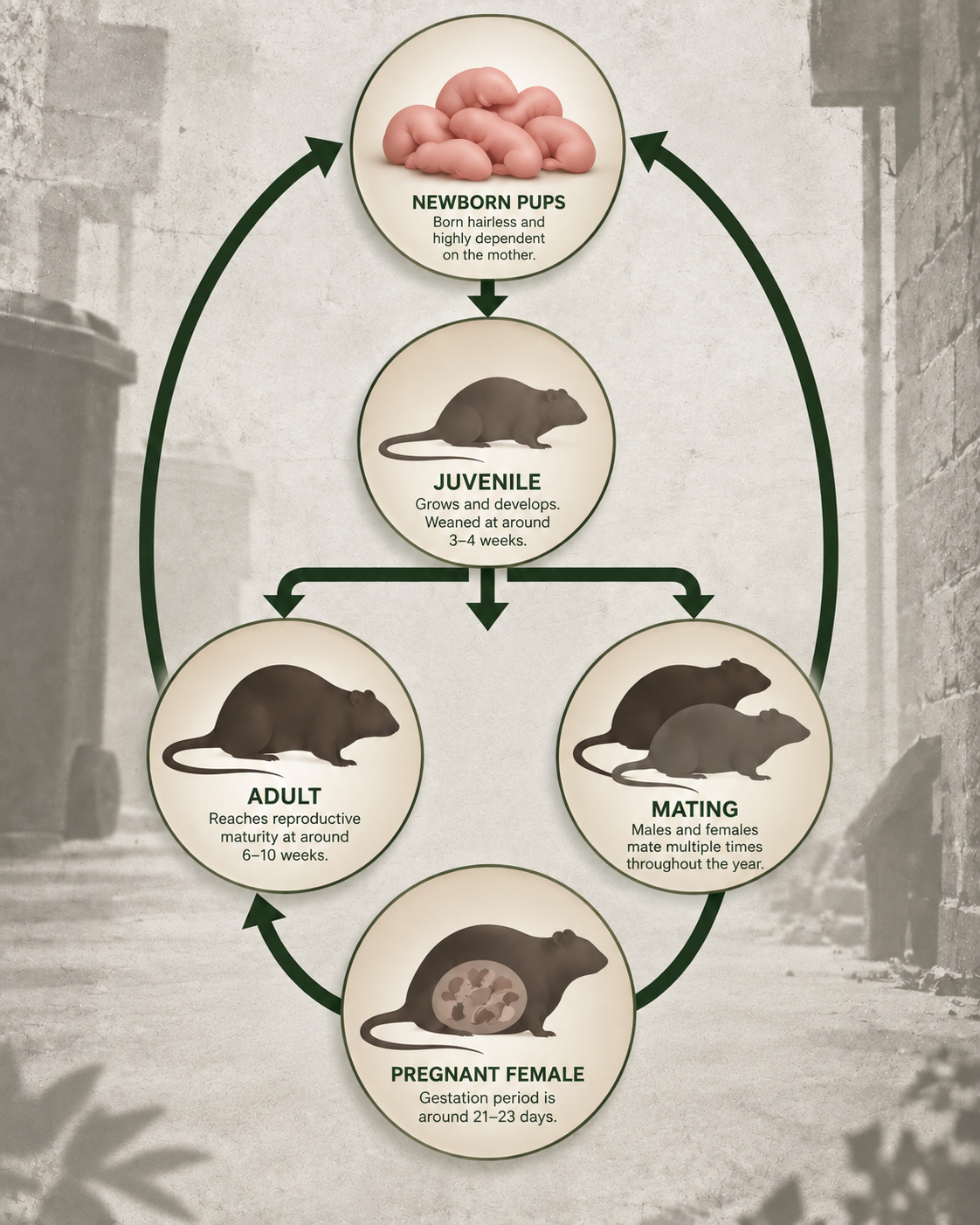
The Rat Life Cycle: Understanding the Biology of a Serious Pest
A comprehensive, fact-based look at the rat life cycle. Learn about the breeding, gestation, and development of common rat species in Sri Lanka
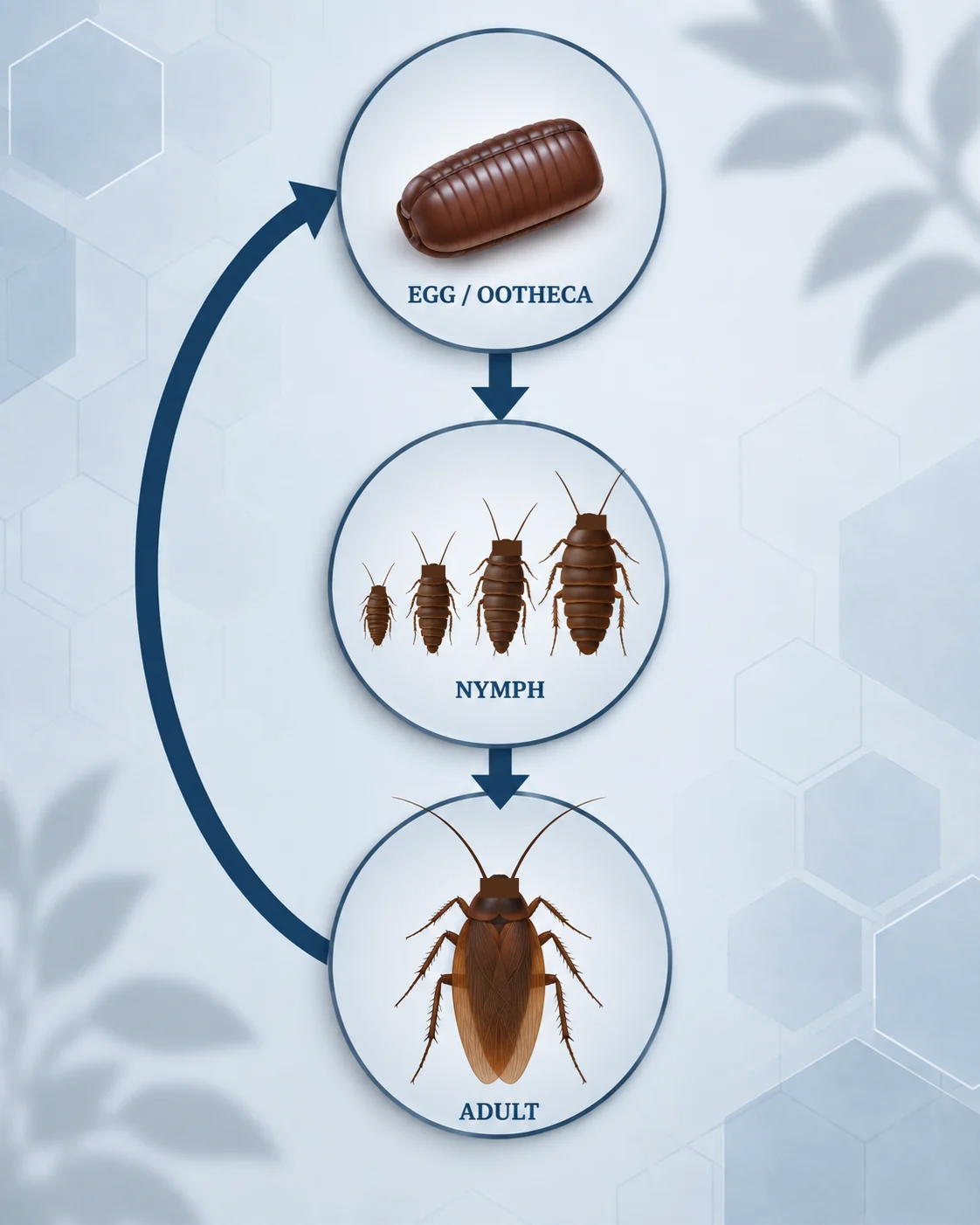
The Cockroach Life Cycle: Understanding the Biology of a Resilient Pest
A detailed, fact-based guide to the cockroach life cycle. Learn about the egg, nymph, and adult stages of a common species in Sri Lanka
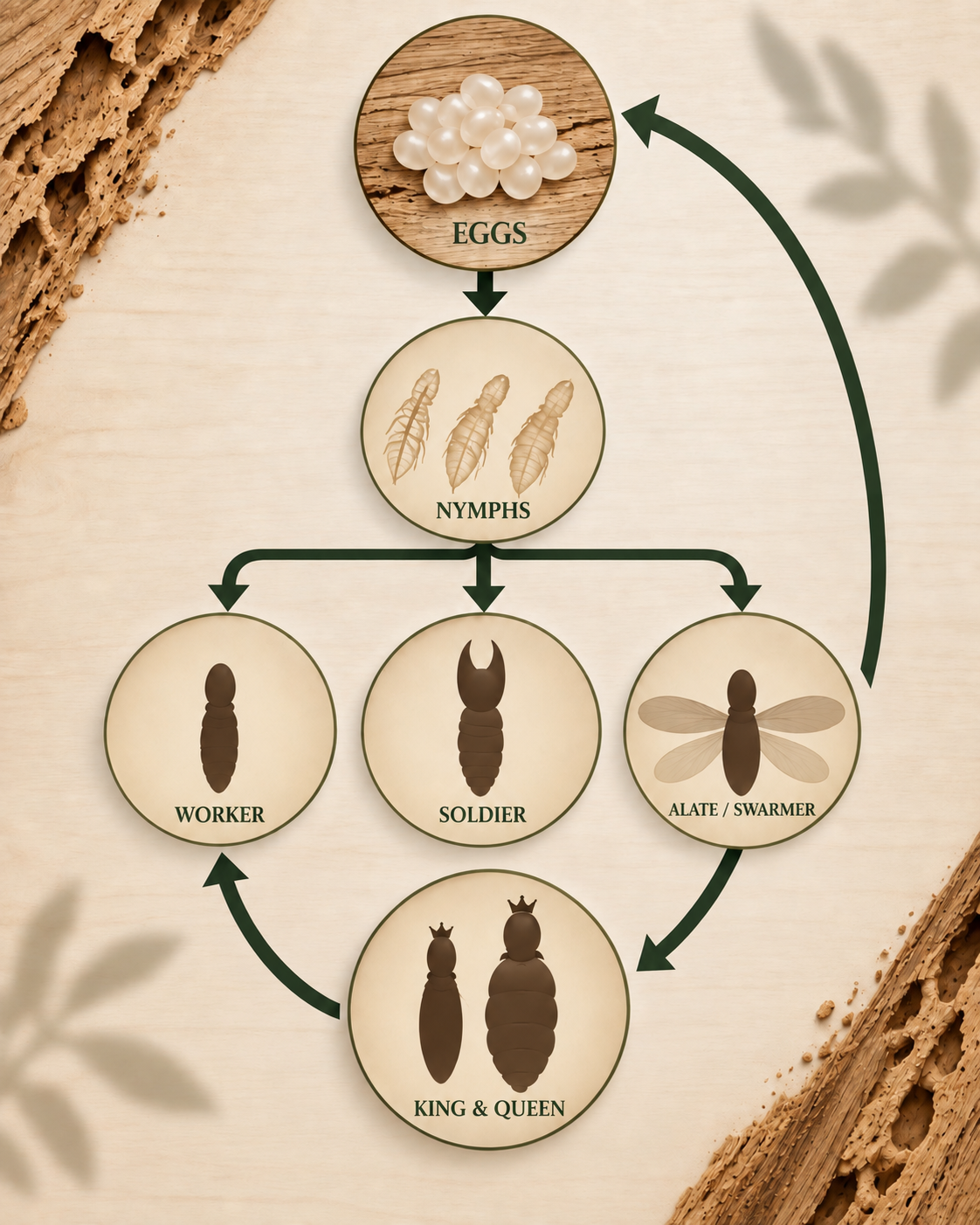
The Termite Life Cycle: A Comprehensive Guide for Sri Lankan Homeowners
Discover the complete termite life cycle, from egg to alate.
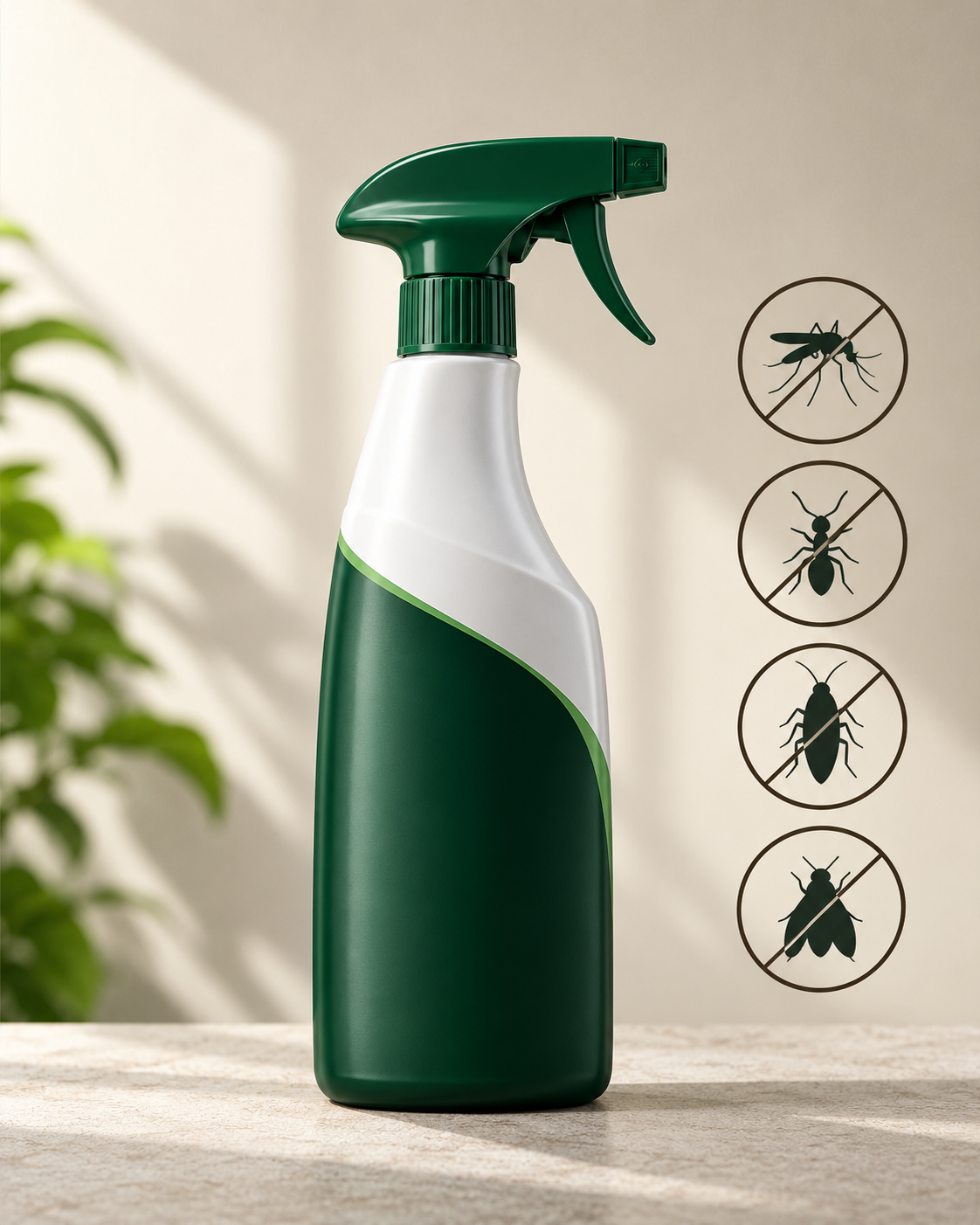
Are Bug Sprays Good? What You Need to Know
Bug sprays can help fast, but they are not a long term fix. Learn when they work, when they fail, and safer ways to control pests
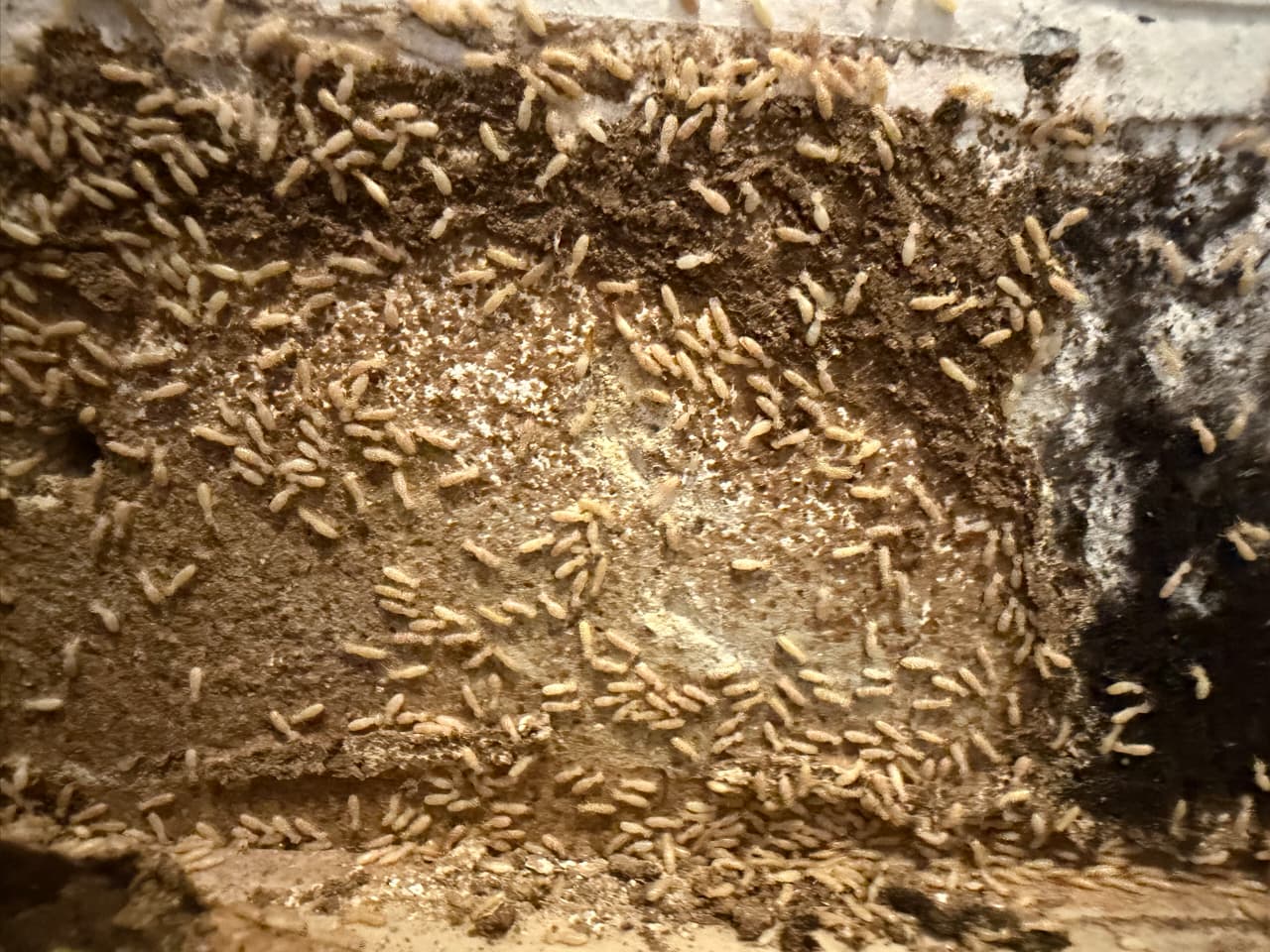
Post Construction Termite Treatment in Sri Lanka: Protecting Your Property from the Silent Destroyer
Post construction termite treatment protects buildings after they are built. Compare liquid barriers and baiting systems in Sri Lanka.
.jpg)
Fly Control in Sri Lanka: Electronic Fly Killers, Catching Machines and Professional Solutions
Flies carry bacteria and breed fast in Sri Lanka. Compare electronic fly killers, catching machines and pro solutions for homes and food businesses.
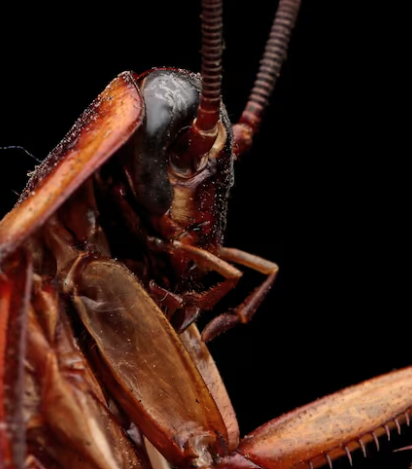
Cockroach Control in Sri Lanka: Signs, Prevention, Inspection and Professional Treatment
Cockroach Control Sri Lanka | Signs, Prevention & Treatment
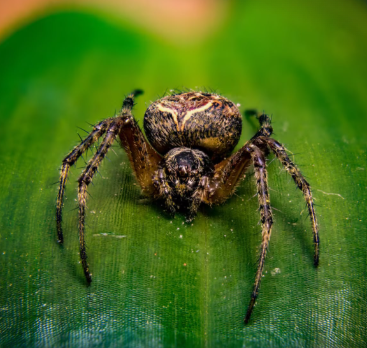
Spider Control in Sri Lanka: Signs, Prevention, Inspection and Professional Removal
Identify venomous and nuisance spiders, prevent infestations, and get professional spider control in Sri Lanka. Famans Pest Management. Call 0777 833 993.
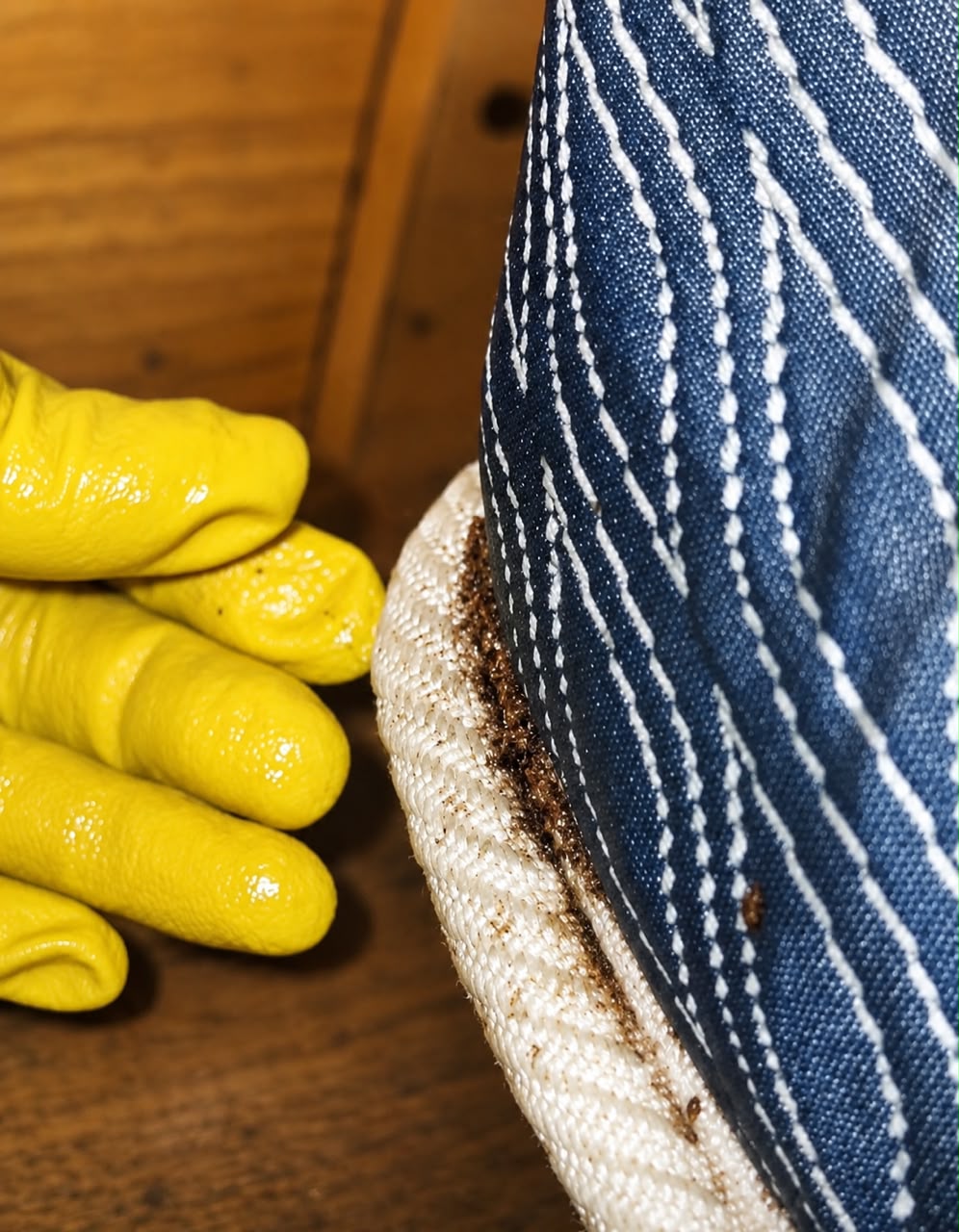
Bed Bug Control in Sri Lanka: Signs, Prevention, Inspection & Professional Treatment
Learn to spot bed bug signs, prevent infestations, and get professional inspection and treatment in Sri Lanka. Famans Pest Management. Call 0777 833 993.
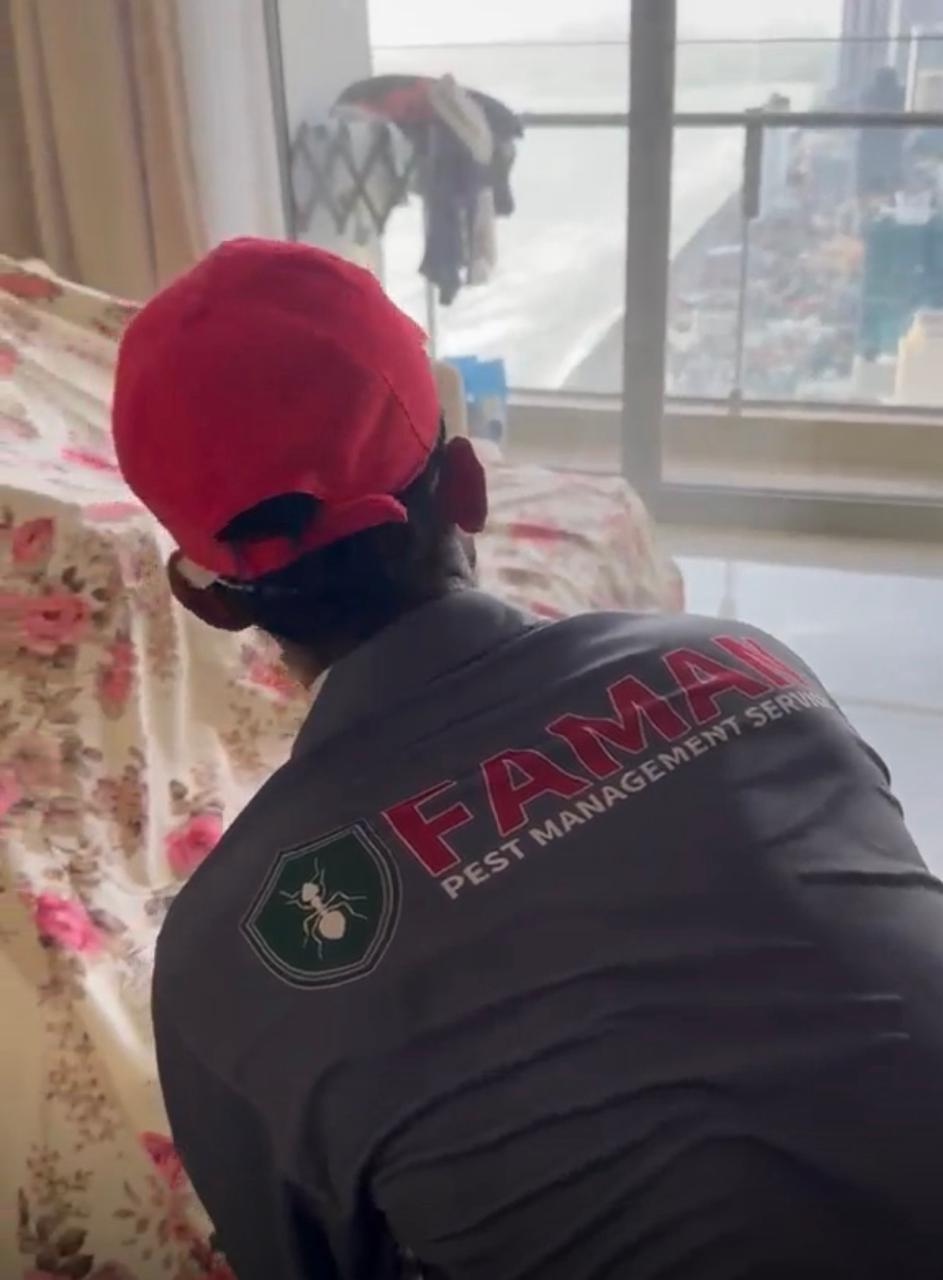
ULV Fogging for Mosquito Control in Sri Lanka
ULV (Ultra‑Low Volume) fogging is a cold‑aerosol method for controlling adult mosquitoes and flying insects.
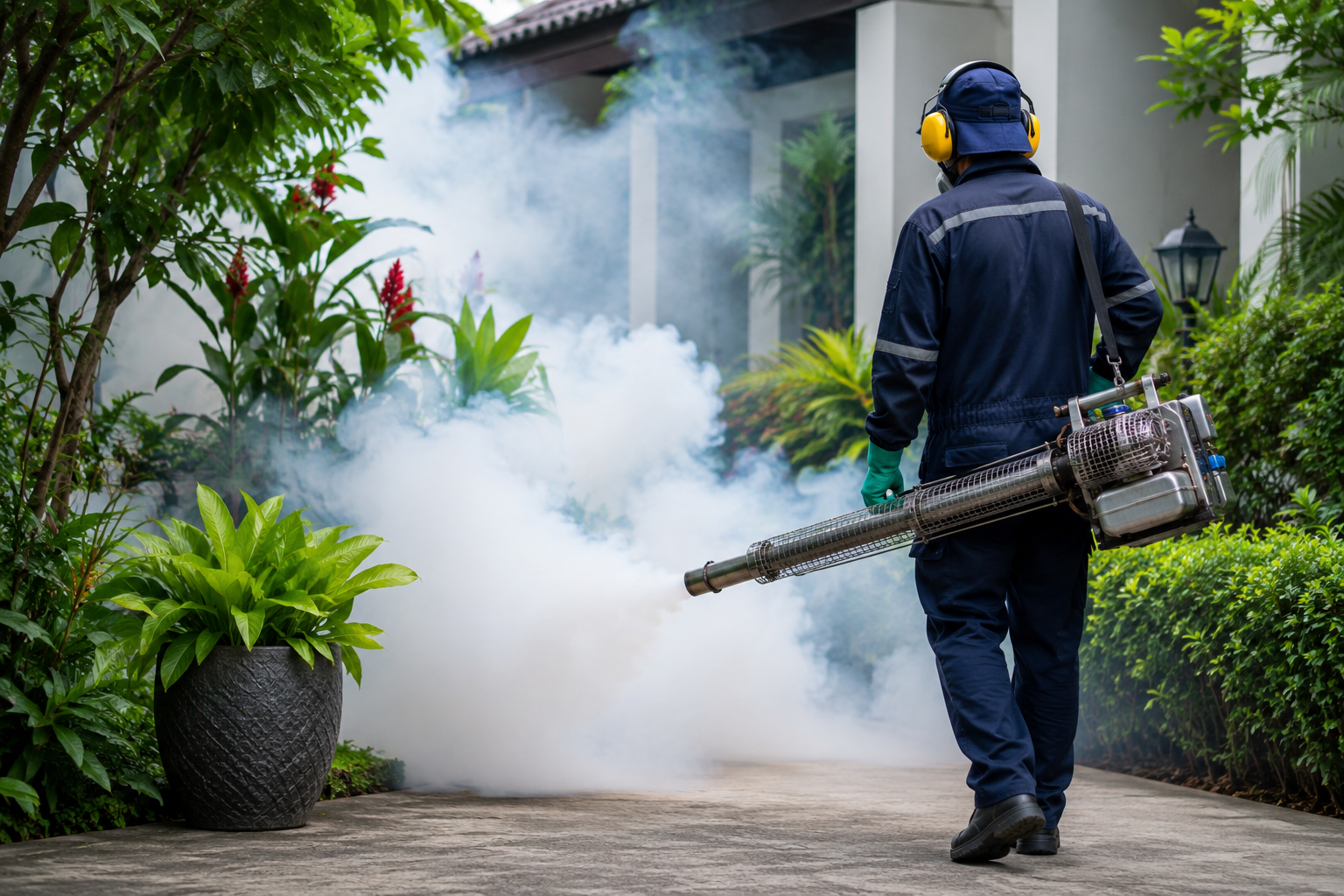
Fogging Services for Homes and Businesses in Sri Lanka
Professional fogging services for homes and businesses in Sri Lanka. Control mosquitoes, flies, and dengue risks with safe, effective treatments.
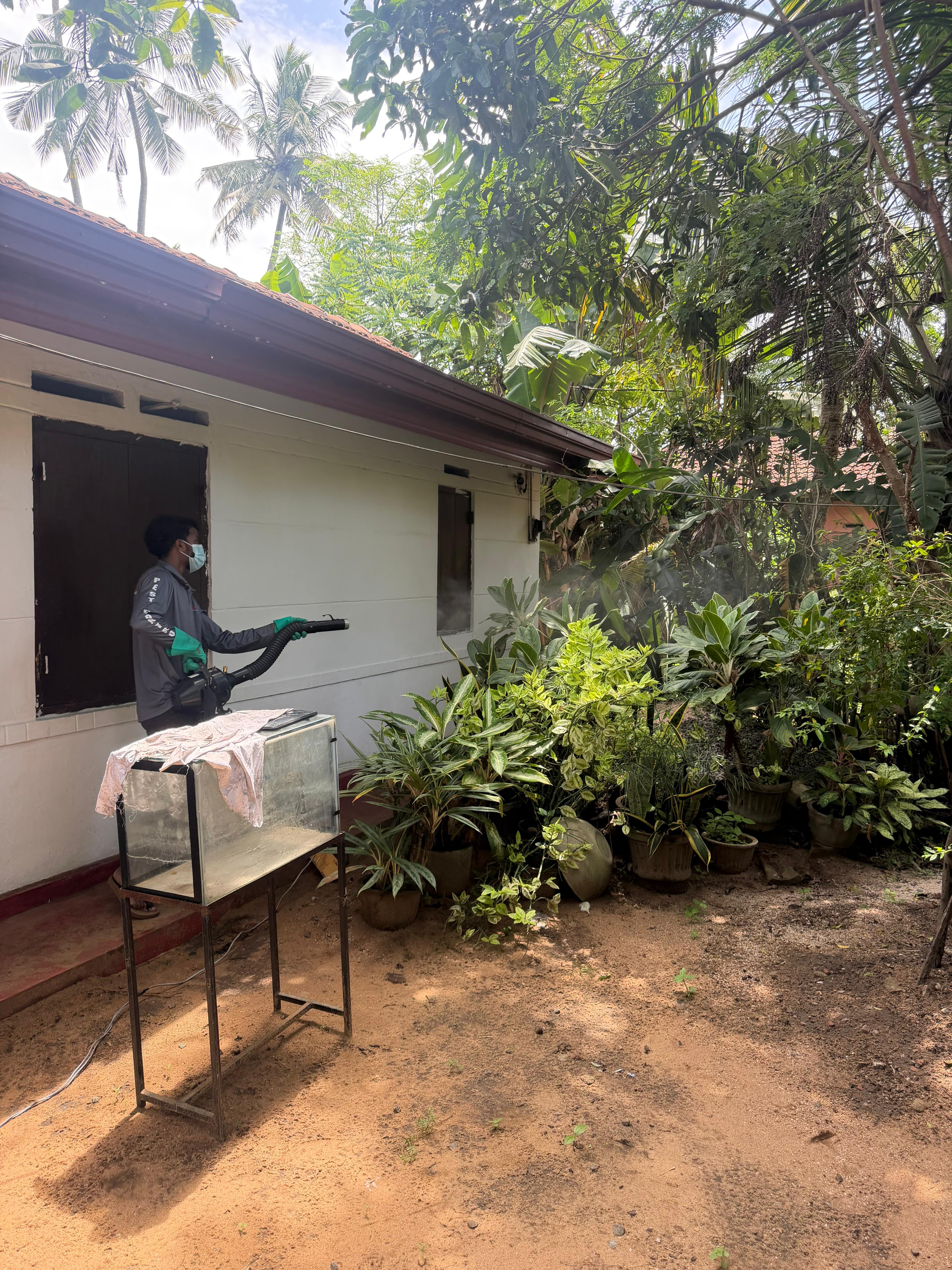
Dengue Prevention in Sri Lanka | Mosquito Control & Prevention Guide
Learn about dengue prevention in Sri Lanka, mosquito breeding sites, practical prevention measures, mosquito control, and how integrated pest management can sup
.jpeg)
Mosquito Control : Understanding Prevention, Monitoring, and Treatment
Learn about mosquito control, breeding site management, ULV fogging, prevention methods, monitoring programmes, and practical mosquito management.
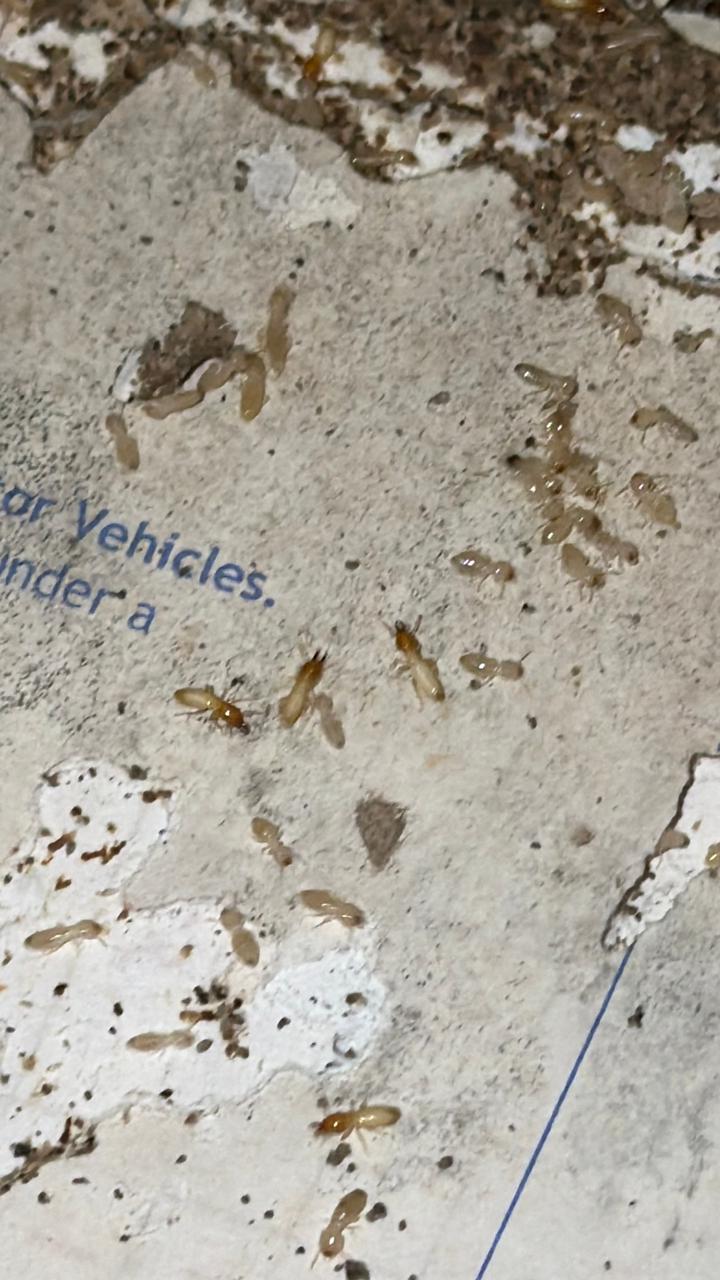
Termite Treatment : For Homes and Businesses
Learn about termite treatment, common warning signs, inspections, prevention methods, and practical termite management strategies.
.jpeg)
Professional Pest Control Services in Sri Lanka
Learn about professional pest control services in Sri Lanka, common pests, inspections, prevention methods, and practical pest management solutions for homes an
.jpeg)
Termite Treatment for New Construction in Sri Lanka
Pre-Construction Termite Treatment in Sri Lanka | Complete Guide | Faman Meta Description: Building a new home in Sri Lanka? Pre-construction termite treatment
.jpeg)
Trusted Pest Control Services in Sri Lanka | Professional Pest Management by Faman
Looking for trusted pest control in Sri Lanka? Famans provides professional pest management solutions for homes and businesses with over 10 years of experience. Fast, safe, and reliable service.
.jpeg)
How to Get Rid of Cockroaches in Sri Lanka
Looking for a permanent cockroach solution in Sri Lanka? Famans Pest Control offers trusted cockroach treatment in Colombo with over 10 years of experience. Safe and effective solutions.
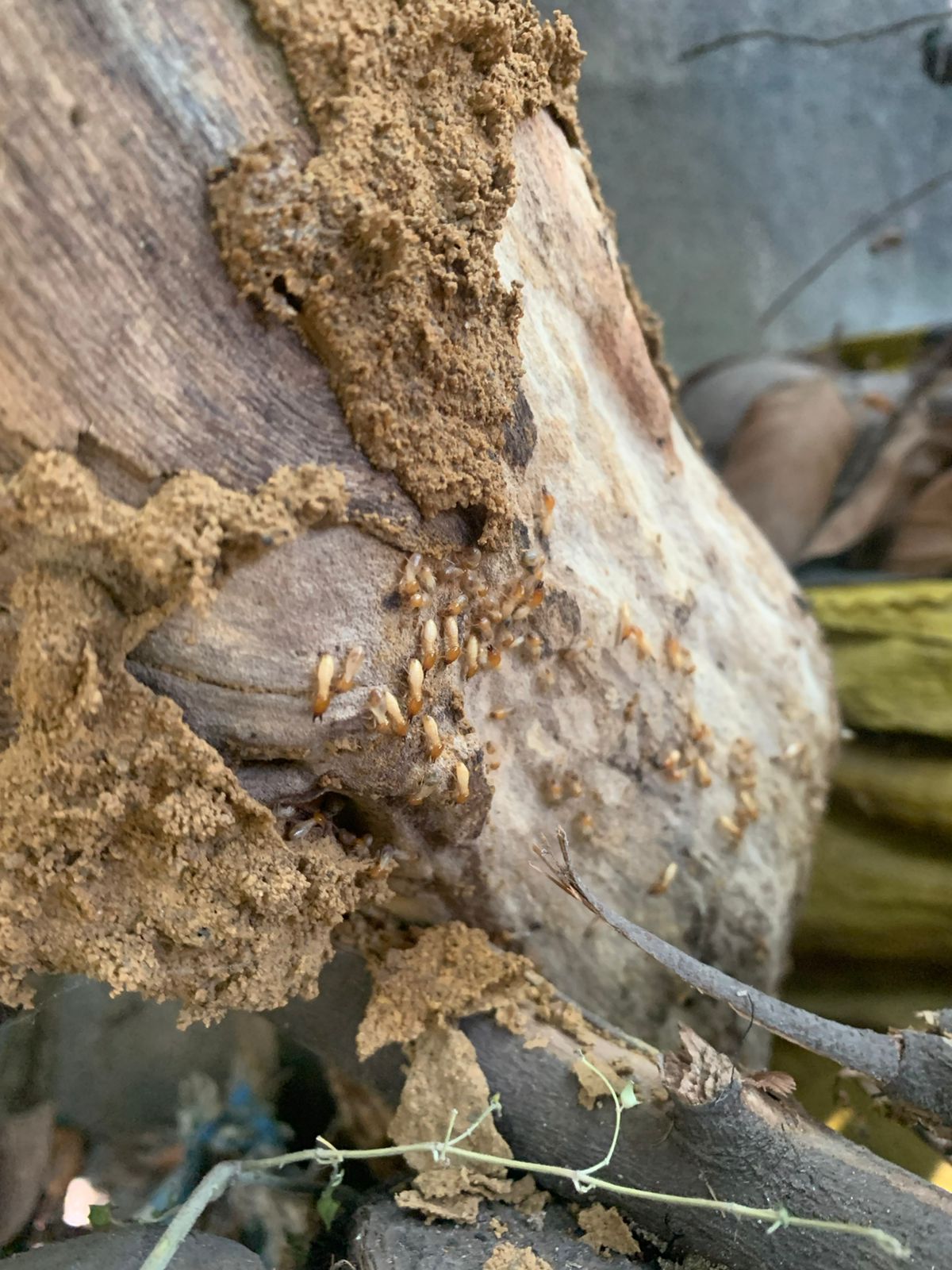
Termite Facts
Protect your property with trustworthy termite control in Colombo from Famans Pest Control. With over 10 years of experience, our expert team provides safe, effective, and long-lasting termite treatment for homes and businesses. Book a professional inspection today and stop termite damage before it gets worse.