Bed Bug Control in Sri Lanka: Signs, Prevention, Inspection & Professional Treatment
Learn to spot bed bug signs, prevent infestations, and get professional inspection and treatment in Sri Lanka. Famans Pest Management. Call 0777 833 993.
Learn to spot bed bug signs, prevent infestations, and get professional inspection and treatment in Sri Lanka. Famans Pest Management. Call 0777 833 993.
Bed Bug Control in Sri Lanka: Signs, Prevention, Inspection & Professional Treatment
Bed bugs are one of the most persistent and stressful pests you can encounter in your home or business. In Sri Lanka, the two most common species that bite humans are Cimex lectularius and Cimex hemipterus. These tiny, flat, oval-shaped insects are reddish-brown in colour, roughly the size of an apple seed, and thrive in any weather or environment.
What makes bed bugs particularly dangerous is how easily they spread. A single surviving female bed bug brought home in your luggage, clothes, or bags can lead to a full-blown infestation. An adult female lays an average of 5 eggs per day, up to 500 eggs in her lifetime and an infestation can spiral out of control in as little as 10 weeks. To make matters worse, bed bugs can survive for up to a year without a blood meal.
Early detection and quick action are the keys to eradicating bed bugs. This guide covers the signs of infestation, practical prevention measures, how to conduct an inspection, and what professional treatment involves.
Signs of a Bed Bug InfestationBed bugs are nocturnal and typically come out to feed an hour or so before dawn. Because they hide in the tiniest cracks and crevices during the day, they can be difficult to spot with an untrained eye. However, there are several telltale signs that indicate their presence:
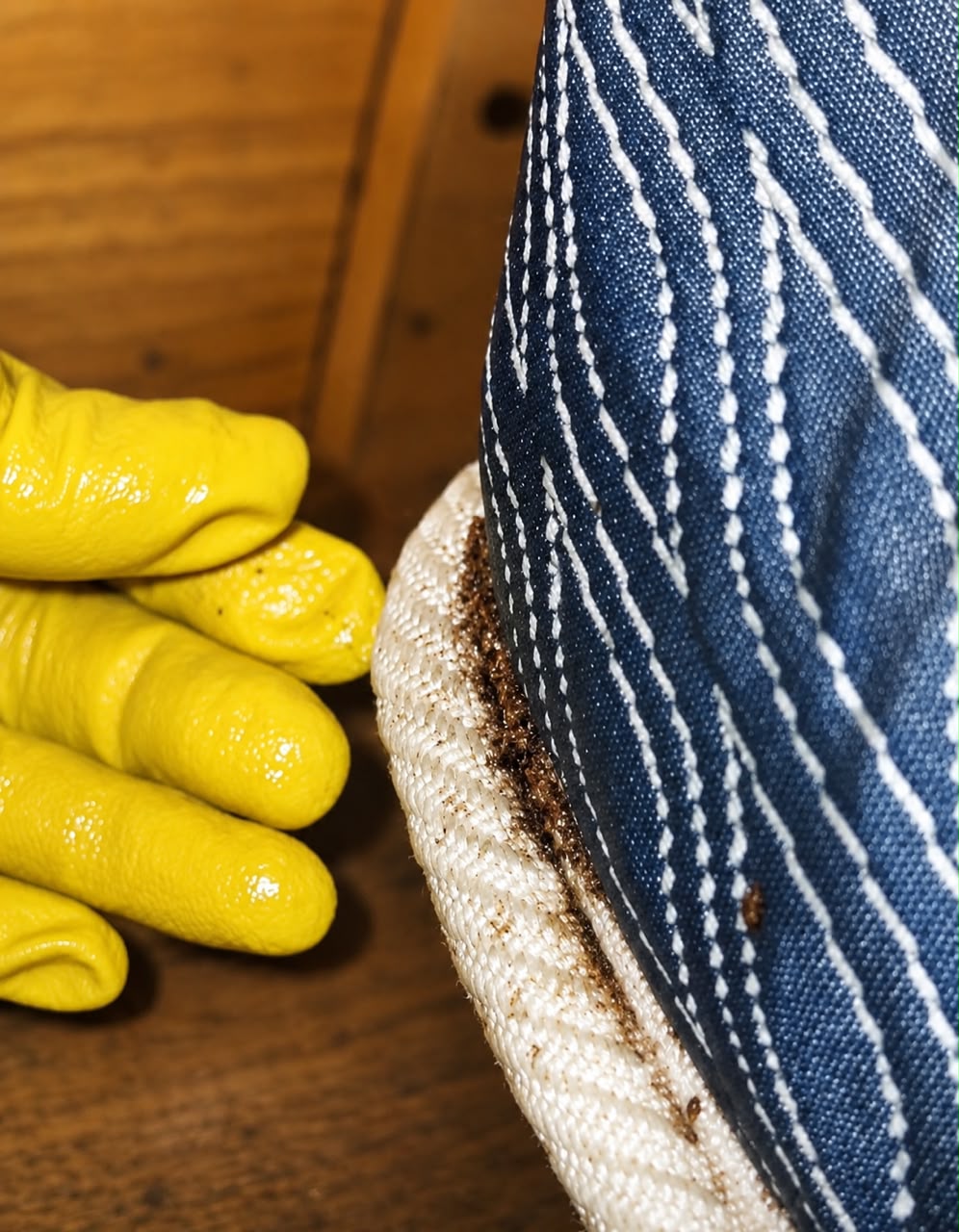
Bites on the skin – Red, itchy welts often appearing in clusters or a line on exposed skin while sleeping. Not everyone reacts to bed bug bites, so absence of bites does not mean absence of bugs. Blood stains – Small dark or rusty spots on sheets, pillowcases, or mattresses. These are either blood smears from crushed bugs or faecal pellets. Dark spots or faecal marks – Black or dark brown stains on mattress seams, headboards, and surrounding areas. These look like tiny spots of ground pepper or mould. Shed skins – As bed bugs grow, they moult and leave behind lighter brown, flaky exoskeletons. Eggs – Whitish, cream-coloured, pearly white eggs about 1mm in size, often found in mattress seams and crevices. Live insects – Adult bed bugs are 4–5mm long and visible to the naked eye. After feeding, they become larger, more cigar-shaped, and change from brown to purplish-red. Unpleasant odour – A sweet, sickly, musty scent in heavily infested rooms.Where to look: Bed bugs hide in bed frames and headboard crevices, mattress seams, carpets and underlay, skirting boards, between timber floorboards, behind peeling wallpaper, inside electrical sockets, drawers, cupboards, and bedside cabinets. They are not limited to bedrooms — they can be found anywhere in the house, including sofas, curtains, and upholstered furniture.
Prevention: How to Keep Bed Bugs OutPrevention is always better than cure. Bed bugs are expert hitchhikers, and most infestations start when they are brought in from outside. Here are practical steps to protect your home or business:
When TravellingInspect your hotel room immediately – Before unpacking, pull back the linens and check all around and under the mattress, behind the headboard, and along seams. Look for blood stains or small black dots.
Keep luggage off the floor – Place suitcases on a luggage rack, desk, or dresser — never on the bed or floor. For extra protection, keep suitcases encased in plastic during your trip.
Head straight for the bathroom – Stash your luggage in the bathroom (bed bugs dislike tiles and concrete) while you inspect the room.
Back at HomeLeave luggage in the garage or bathroom – Bed bugs are easier to spot on hard surfaces than on carpet.
Wash clothes immediately – Remove clothes as soon as you get home and wash them at the highest possible temperature.
Leave suitcases in the sun – Place luggage outside, away from the house, for a couple of days to help kill any bed bugs.
Vacuum regularly – Regular vacuuming of carpets, fabric drapes, and upholstered furniture can reduce bed bug populations. Immediately dispose of vacuum contents carefully to avoid spreading eggs.
Pull beds away from walls – This reduces the pathways bed bugs use to climb onto beds.
Wash bedding in hot water – Bedsheets, curtains, and clothes should be washed in a dryer on a high setting. Stuffed toys can also be placed in a hot dryer for 30 minutes.
For Hotels and Commercial PropertiesTrain staff – Ensure housekeeping and front-of-house staff can identify common signs of bed bugs.
Build inspection into cleaning processes – Thorough checking for bed bugs should be a standard part of room cleaning.
Have a complaint procedure – Put a clear process in place for handling bed bug reports from guests.
Inspect adjacent rooms – Bed bugs spread from room to room. If one room is infested, check neighbouring rooms immediately.
Inspection: What to Look For and WhereA thorough inspection is the foundation of effective bed bug control. Here is a practical checklist:
Step 1: Start with the bedPull back all bedding and check the top sheet, mattress cover, and pillowcases.
Examine mattress seams, folds, and tags for live bugs, shed skins, faecal spots, or eggs.
Check the box spring, especially the corners and edges.
Inspect the bed frame, headboard, and footboard — pay close attention to joints, cracks, and crevices.
Step 2: Move to surrounding furnitureCheck bedside cabinets, drawers, and wardrobes.
Inspect upholstered chairs, sofas, and curtains.
Step 3: Check the room perimeterExamine skirting boards, baseboards, and where the floor meets the wall.
Look behind peeling wallpaper and in cracked plaster.
Check inside electrical sockets and light fittings (with caution).
Step 4: Don't forget carpets and flooringCheck carpet edges, underlay, and between timber floorboards.
Step 5: Document findingsNote where signs are found. This helps professionals target treatment effectively.
A flashlight and a magnifying glass are useful tools for this process. If you find any signs of bed bugs, do not move furniture or beds, this can spread the infestation to other rooms.
Professional Treatment: Why DIY Rarely WorksBed bug control is very challenging, largely because of their resistance to many pesticides. DIY methods, over-the-counter sprays, foggers, or home remedies typically prove ineffective and risk re-infestation. Bed bugs shelter in the narrowest of gaps: seams of mattresses, bed frames, and behind furniture. Most DIY approaches simply do not reach these hidden harbourages.
A professional bed bug control program typically involves:
Inspection and SurveyA trained pest specialist conducts a thorough inspection to confirm the infestation, identify hiding spots, and assess the severity. This step is critical for developing a targeted treatment plan.
TreatmentProfessional treatments combine multiple methods for maximum effectiveness:
Heat treatment – This is a highly effective, chemical-free method that uses specialised equipment to raise temperatures to above 48°C (118°F). Heat penetrates deep into clothing, mattress covers, and box springs, killing bed bugs at all life stages — including eggs, which are notoriously difficult to eliminate with chemicals alone.
Residual spraying – Targeted application of professional-grade insecticides on commonly infested areas such as wall skirtings, carpeted areas, furniture joints, cracks, crevices, bed frames, and mattress corners. The Environmental Protection Agency recommends pyrethroid-based insecticides for effective bed bug control.
Crack and crevice treatment – Reaches the hidden areas where bed bugs harbour.
Steam treatment – Often recommended alongside other methods to eliminate adult bed bugs, larvae, and eggs.
Aftercare and MonitoringProfessional services include follow-up visits to ensure complete elimination and prevent re-infestation. Specialists also provide guidance on ongoing prevention.
When to Call a ProfessionalIf you notice any of the signs described above- bites, blood stains, faecal spots, shed skins, or a musty odour, immediate professional treatment is recommended. Bed bugs multiply quickly and can spread throughout rooms, furniture, and belongings.
Professional pest control services in Sri Lanka offer:
Licensed and experienced technicians – Trained specialists who understand bed bug biology and behaviour.
Environmentally sensitive approaches – Treatments that are safe for children, pets, and the environment when properly applied.
Guaranteed solutions – Follow-up visits and ongoing support to ensure the problem is fully resolved.
Final ThoughtsBed bugs are a serious nuisance that can disrupt sleep, cause discomfort, and create significant stress. Early detection and professional intervention are the most effective ways to eliminate them. While prevention measures — careful inspection when travelling, regular cleaning, and vigilance — can reduce the risk, once an infestation takes hold, professional treatment is the only reliable solution.
Famans Pest Management Services provides inspection and treatment solutions for residential and commercial properties in Sri Lanka.
Call: 0777 833 993Contact us for a free consultation and site inspection.