Cockroach Control in Sri Lanka: Signs, Prevention, Inspection and Professional Treatment
Cockroach Control Sri Lanka | Signs, Prevention & Treatment
Cockroach Control Sri Lanka | Signs, Prevention & Treatment
Cockroaches are among the most persistent and unwelcome pests found in homes and commercial buildings across Sri Lanka. The tropical climate provides an ideal environment for these ancient insects to thrive throughout the year. While there are over 4,000 different species of cockroaches worldwide, only about 40 species are considered pests, with others being beneficial in their natural environment. In Sri Lanka, several species frequently infest human habitats, posing serious health risks and creating significant nuisances for property owners.
Sri Lanka is home to approximately 66 species of cockroaches, belonging to 6 families and 31 genera. Of these, a handful are well-known pests that commonly invade homes, restaurants, hotels, and commercial establishments. Understanding the species present in Sri Lanka, recognizing the early signs of an infestation, implementing effective prevention strategies, and knowing when to call a professional are the cornerstones of managing cockroach populations. This guide provides a detailed look at cockroach control in Sri Lanka, covering everything from species identification to advanced professional treatment protocols.
Common Cockroach Species in Sri LankaA survey of domiciliary cockroaches conducted across 17 districts in Sri Lanka identified five species frequently found in dwelling houses: Periplaneta americana (American cockroach), Neostylopyga rhombifolia (harlequin cockroach), Periplaneta australasiae (Australian cockroach), Supella longipalpa (brown-banded cockroach), and Blattella germanica (German cockroach). Among these, the American cockroach was the most abundant and widely distributed species, while the German cockroach was the least abundant in the survey.
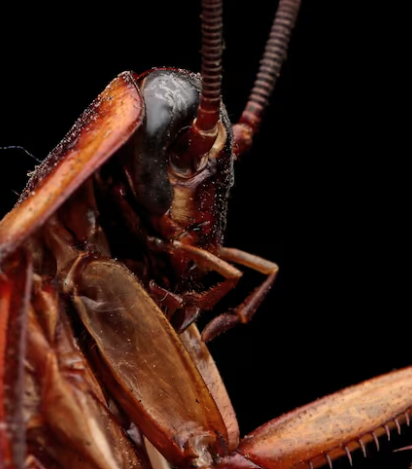
American Cockroach (Periplaneta americana)The American cockroach is the most dominant and abundant species of domiciliary cockroach in Sri Lanka. It is one of the largest pest cockroaches, with adults measuring 35 to 40 mm in length. These cockroaches are shining red to chocolate brown in colour. A key identifying feature is the yellowish figure-eight pattern on the shield behind the head.
Size: 30 to 50 mm, making it one of the largest common cockroach species
Colour: Reddish-brown with a yellow figure-8 marking on the thorax
Wings: Fully developed; capable of gliding short distancesHabitat: Prefers warm and humid environments such as drains and sewers. Also found in moist areas including basements, tunnels, and areas where food is stored and prepared
Reproduction: Females produce 10 to 90 oothecae (egg cases), each containing 14 to 28 eggs
Development: Nymphs take approximately 150 days to develop into adults
Lifespan: Adult life cycle ranges from 100 days to 3 yearsDiet: Omnivorous and opportunistic; consumes rotting organic materials and is a scavenger that eats almost everything, with a preference for sweets
German Cockroach (Blattella germanica)The German cockroach is the world's most prevalent cockroach pest and is ubiquitous in human-built structures globally. It is a major pest in restaurants, hotels and apartments.
Size: Adults measure 10 to 15 mm in lengthColour: Males are light yellowish brown with a longer tongue-shaped body; females are darker with a plump abdomen
Identification: The pronotum (head shield) has two dark longitudinal stripes
Habitat: Prefers dark and secluded areas such as under cupboards and behind refrigerators
Reproduction: Females produce 4 to 9 oothecae, each containing 37 to 44 eggs
Development: Nymphs take 30 to 60 days to mature into adults Lifespan: Adult life cycle is more than 100 days Australian Cockroach (Periplaneta australasiae) Size: Adults measure 27 to 33 mm in lengthColour: Brown with a lateral pale yellow stripe on its forewing
Habitat: Commonly found in homes and around the perimeter of buildings
Reproduction: Females produce up to 12 oothecae, each containing 24 eggs
Development: Nymphs take approximately 200 days to develop into adults
Lifespan: Adults live 120 to 180 days Brown-Banded Cockroach (Supella longipalpa)Size: Adults measure 10 to 14 mm in length, one of the smallest pest cockroaches
Colour: Yellow-brown stripes across the abdomenHabitat: Prefers warm and humid environments such as drains and sewers
Reproduction: Females produce up to 13 oothecae, each containing 16 eggs
Development: Nymphs take approximately 55 days to develop into adults
Lifespan: In ideal temperature conditions (30°C), adults live 90 to 115 days
Harlequin Cockroach (Neostylopyga rhombifolia)This species was the second most common cockroach species found in the Sri Lankan survey. It was present in all but one district surveyed, indicating its widespread distribution across the country.
Health Risks Associated with CockroachesCockroaches are not merely a nuisance; they pose significant health risks to humans. They are known carriers of harmful bacteria and can spread diseases such as salmonella, E. coli, and other food contamination-related illnesses, making infestations a serious health concern.
Allergies and AsthmaOne of the most significant health impacts of cockroaches in Sri Lanka is their role in triggering allergies and asthma. Cockroach allergens - found in their droppings, body parts, and the dust they come in contact with - are among the strongest allergy triggers.
Research conducted in Sri Lanka has demonstrated the serious nature of this problem. A study at Lady Ridgeway Hospital for Children found that 23.7% of children being treated for bronchial asthma tested positive for cockroach allergy. Sensitization to cockroach allergens was significantly associated with poor asthma control. The common sensitization pattern for both adults and adolescents in Sri Lanka includes cockroaches alongside house dust mite and Blomia.
These findings underscore the importance of professional cockroach control, particularly in homes with children, elderly individuals, or anyone with respiratory conditions. Cockroach infestations are not just unpleasant - they can directly contribute to serious health problems.
Signs of a Cockroach InfestationDetecting a cockroach infestation early is critical for effective control. Cockroaches are nocturnal pests that hide in cracks, crevices, kitchen cabinets, drains, and appliances during the day. However, they leave behind several telltale signs that indicate their presence:
Seeing cockroaches during the day: Cockroaches are typically nocturnal. Spotting them in daylight often indicates a large, overcrowded population.
Droppings that look like black pepper: Cockroach faeces appear as small, dark, cylindrical pellets or smears, often found in drawers, cabinets, and along baseboards.
Unpleasant musty odour: A strong, unpleasant, musty smell in affected areas is a sign of a significant infestation.
Egg cases (oothecae) in hidden corners: These oval, capsule-shaped cases are often found in sheltered locations.
Cockroaches in kitchens, bathrooms, or drains: These areas provide food, water, and shelter, making them prime cockroach habitats.
Shed skins: As cockroaches grow, they moult, leaving behind translucent, light brown exoskeletons.
Damage to food packaging: Cockroaches can chew through cardboard and thin plastic packaging.
Live or dead cockroaches: Finding even a single cockroach often indicates a larger hidden population.
Where Cockroaches HideUnderstanding cockroach harbourage sites is essential for effective inspection and treatment. Common hiding places include:
Kitchens: Under sinks, behind and under refrigerators, inside cabinets, around dishwashers, and in pantry areas
Bathrooms: Around pipes, under sinks, in drains, and behind toilets
Dark and secluded areas: Under cupboards, behind large furniture, and in storage areas
Warm and humid environments: Drains, sewers, and basementsCracks and crevices: In walls, floorboards, and around door and window frames
Electrical appliances: Behind and inside microwaves, toasters, and other kitchen appliances
Storage areas: Cardboard boxes, piles of newspapers, and cluttered spaces
Prevention: How to Keep Cockroaches OutPrevention is the most effective and cost-efficient method of cockroach control. By eliminating the conditions that attract cockroaches and sealing their entry points, property owners can significantly reduce the likelihood of an infestation.
Indoor Prevention StrategiesKeep kitchen and food areas clean: Cockroaches are attracted to food debris. Wipe down counters, sweep floors, and clean up spills immediately. Store food in sealed containers.
Seal cracks and entry points: Inspect walls, around pipework, and under doors. Seal gaps with caulk or weather stripping to prevent cockroaches from entering.
Fix leaks and reduce moisture: Cockroaches need water to survive. Repair leaking pipes, ensure proper drainage, and reduce humidity in kitchens and bathrooms.
Dispose of garbage regularly: Use covered bins and take out trash frequently. Keep outdoor bins away from the building.
Reduce clutter: Cardboard boxes, piles of newspapers, and general clutter provide excellent hiding spots for cockroaches.
Vacuum regularly: Frequent vacuuming removes food particles, shed skins, and egg cases.
Store food properly: Keep all food in airtight containers. Do not leave pet food out overnight.
Outdoor Prevention StrategiesKeep vegetation away: Trim shrubs and trees away from the exterior walls of the building.
Maintain the garden: Keep grass short and remove leaf litter and debris.
Check stored items: Inspect firewood, garden equipment, and outdoor furniture before bringing them indoors.
Ensure proper drainage: Fix any drainage issues around the foundation to prevent moisture buildup.
How to Conduct a Thorough Cockroach InspectionA thorough inspection is essential for understanding the extent of a cockroach problem. Professional technicians use specialized tools and experience, but property owners can conduct basic visual inspections.
Start in the kitchen: This is the most common area for cockroach activity. Check under and behind appliances, inside cabinets, and around sinks.
Check bathrooms: Inspect under sinks, around pipes, and in drains.
Examine dark and secluded areas: Look under cupboards, behind refrigerators, and in storage areas.
Inspect cracks and crevices: Check along baseboards, around door and window frames, and in wall voids.
Look for signs: Search for droppings, egg cases, shed skins, and live or dead cockroaches.
Use a flashlight: Cockroaches hide in dark areas. A bright flashlight will help you spot them.
Check at night: Cockroaches are most active at night. A surprise inspection after dark can reveal the true extent of an infestation.
Document findings: Record where you find signs of cockroach activity. This information helps professionals target their treatments effectively.
Professional Treatment: Why DIY Methods Fall ShortMany property owners attempt to deal with cockroach infestations using over-the-counter sprays, bug bombs, or home remedies. These approaches almost always fail to provide lasting relief.
Limited reach: DIY sprays only kill cockroaches that are directly contacted. Cockroaches hide in inaccessible gaps, deep inside wall voids, and behind appliances.
Resistance development: Cockroaches can develop resistance to commonly available insecticides. The active ingredients in store-bought sprays are often weak and formulated for temporary knockdown.
Egg case protection: Most DIY products cannot penetrate the thick outer layer of cockroach oothecae. Even if adults are killed, the eggs will hatch, leading to a repeat infestation.
Incomplete application: Treating one area does not solve the problem if cockroaches are present throughout the property.
Safety risks: Improper application of pesticides can pose health risks to occupants, particularly children, pregnant women, and pets.
Professional Cockroach Control: The Integrated Pest Management Approach
Professional pest control companies in Sri Lanka employ an Integrated Pest Management (IPM) approach to cockroach control. This combines multiple strategies to achieve long-lasting results while minimizing environmental impact.
Step 1: Detailed Inspection and AssessmentThe process begins with a comprehensive survey of the property. A trained technician identifies the species present, locates all harbourage zones, and assesses the severity of the infestation. This assessment forms the foundation of the treatment plan.
Step 2: Treatment Plan DevelopmentA customized cockroach control strategy is developed based on infestation severity and property conditions. The plan may include a combination of methods tailored to the specific situation.
Step 3: Execution of TreatmentProfessional treatments combine multiple methods for maximum effectiveness:
Gel Baiting: Highly effective targeted cockroach elimination. Baits attract cockroaches, which consume the poison and carry it back to their harbourage, killing others.
Residual Spraying: Long-lasting surface protection applied to baseboards, cracks, and crevices.
Dust Application: Treatment for hidden cracks and voids where liquid sprays cannot reach.
Drain Treatment: Eliminates cockroaches in plumbing systems.
Crack and Crevice Treatment: Targets the narrow gaps where cockroaches hide.
Insect Growth Regulators: Prevents nymphs from maturing into reproducing adults, breaking the life cycle.
Step 4: Monitoring and Follow-UpProfessional services include follow-up inspections and preventive measures to ensure long-term control. This monitoring phase ensures that the infestation is completely resolved and provides early warning for any new incursions.
Cockroach Control for Commercial PropertiesCommercial properties face unique challenges when it comes to cockroach control. Hotels, restaurants, schools, hospitals, and warehouses cannot afford to have cockroaches visible to guests, customers, or patients. A single cockroach sighting can result in negative reviews, failed health inspections, and reputational damage.
Restaurants and food establishments are particularly vulnerable. Health inspectors scrutinize food establishments for signs of pests. Finding cockroaches in kitchens or dining areas can result in failed inspections and potential closure orders.
Hotels must maintain rigorous pest management standards to protect their reputation. Cockroaches in guest rooms can lead to complaints, negative online reviews, and loss of business.
Hospitals and healthcare facilities cannot tolerate any pests. Immunocompromised patients are particularly vulnerable to complications from cockroach-related contamination and allergens.
For commercial settings, routine scheduled maintenance programs are often the most effective solution. These programs include regular inspections, preventive perimeter treatments, and immediate response protocols for any reported sightings.
The Importance of Licensed ProfessionalsProfessional pest control technicians in Sri Lanka undergo extensive training and certification. All Service Technicians are licensed professionals with Pesticide Applicator License or Assistant Pesticide Applicator License, certified by the Department of Health.
This certification ensures that technicians understand:
Proper identification of pest species Safe handling and application of pesticides Correct concentrations and application methods Environmental and health safety protocols Legal and regulatory requirements When to Call a ProfessionalWhile routine cleaning and maintenance can prevent minor cockroach issues, certain situations require immediate professional intervention.
Seeing cockroaches during the day: This indicates a large, overcrowded population.
Multiple sightings: Seeing more than one or two cockroaches regularly suggests a significant infestation.
Finding egg cases: Oothecae indicate breeding populations that will continue to grow.
Persistent re-infestation: If DIY methods have failed, professional treatment is necessary.
Allergic reactions or asthma: If anyone in the household has cockroach allergies or asthma, professional elimination is essential for health.
Commercial liability: Any commercial property with a cockroach issue should be addressed by a licensed professional.
Large numbers of cockroaches: Finding cockroaches in multiple rooms or areas indicates a widespread infestation.
Final ThoughtsCockroaches are an inevitable part of life in a tropical country like Sri Lanka. With 66 species recorded on the island, these insects are well-adapted to the warm, humid environment. However, when they invade homes and businesses, they pose serious health risks through disease transmission and allergen exposure.
Prevention through regular cleaning, proper food storage, sealing entry points, and reducing moisture is the most effective long-term strategy. However, once an infestation takes hold, professional treatment using gel baiting, residual spraying, and integrated pest management is the only reliable solution.
Early detection and professional intervention will protect your family, your employees, and your customers from the health risks and nuisances associated with cockroach infestations. Do not waste time and money on ineffective DIY products that only address the visible tip of the problem.
Famans Pest Management Services provides professional inspection and cockroach treatment solutions for residential and commercial properties in Sri Lanka.
Call: 0777 833 993 Picture Recommendations for This BlogTo complement this blog post, consider using the following images:
American cockroach close-up - A high-resolution image showing the reddish-brown colour, size, and distinctive yellow figure-eight marking on the thorax. This helps readers identify the most common species.
German cockroach close-up - An image clearly showing the two dark longitudinal stripes on the pronotum, which is the key identifying feature of this species.
Cockroach ootheca (egg case) - A macro photograph of an egg case to help readers recognize this sign of infestation.
Cockroach droppings - An image showing the characteristic black pepper-like droppings found in infested areas.
Infested kitchen cabinet - A photograph showing cockroaches hiding in a kitchen cabinet or behind appliances, illustrating common harbourage sites.
Professional treatment in progress - An image of a licensed technician applying gel bait or residual spray, demonstrating professional methods.
Before and after - Images showing an infested area before treatment and the same area after professional control.
Prevention measures - Images showing sealed cracks, proper food storage, and clean kitchen environments.
Image sources: Stock photography websites such as Shutterstock, Getty Images, or iStock offer high-quality cockroach images. Ensure you have proper licensing for any images used on your website or blog.
Contact us for a free consultation and site inspection.