Spider Control in Sri Lanka: Signs, Prevention, Inspection and Professional Removal
Identify venomous and nuisance spiders, prevent infestations, and get professional spider control in Sri Lanka. Famans Pest Management. Call 0777 833 993.
Identify venomous and nuisance spiders, prevent infestations, and get professional spider control in Sri Lanka. Famans Pest Management. Call 0777 833 993.
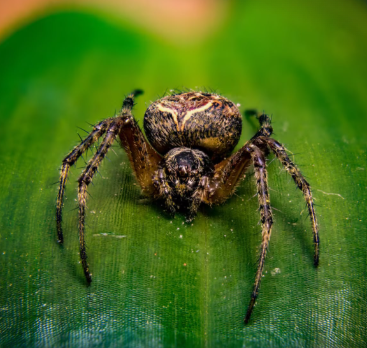
Spiders are among the most common arthropods found in homes and commercial buildings across Sri Lanka. The tropical climate provides an ideal environment for these eight-legged arachnids to thrive throughout the year. While the vast majority of spiders are harmless and actually serve as natural pest controllers by feeding on flies and mosquitoes, their presence in large numbers can become a significant nuisance. Some species pose genuine health risks due to their venom, making professional spider control a necessary service for both residential and commercial property owners.
Understanding the species present in Sri Lanka, recognizing the early signs of an infestation, implementing effective prevention strategies, and knowing when to call a professional are the cornerstones of managing spider populations. This guide provides a detailed look at spider control in Sri Lanka, covering everything from basic identification to advanced professional treatment protocols.
Common Spider Species in Sri LankaSri Lanka is home to a remarkable diversity of spider species. According to available records, Sri Lanka has 595 species of spiders, belonging to 50 families and 295 genera. Out of these, 324 are endemic to Sri Lanka. The island's exceptional biodiversity is particularly evident in groups like goblin spiders, with 45 currently recognized species across 13 genera, of which 38 are endemic. Jumping spiders number 159 species in Sri Lanka, contributing to the island's total of 626 spider species.
Most Sri Lankan spiders are endemic, showcasing the country's rich biodiversity. The majority are shy, reclusive creatures that prefer to avoid human contact. However, a handful of species are commonly encountered in urban and suburban settings.
Medically significant spiders: There are two types of dangerous species namely the Black Widow and Brown Recluse spider. Spider bites from these two species are deadly. Latrodectus erythromelas is a species of venomous spider of the genus Latrodectus, commonly called widow spiders, which is native to India and Sri Lanka.
Brown Widow (Latrodectus geometricus): Commonly known as the brown widow, brown button spider, grey widow, or geometric button spider, this is one of the widow spiders in the genus Latrodectus. It has black and white patterns on the sides of its abdomen as well as an orange-yellow colored hourglass shape marking. This species is found around houses, under or between stones, or on low vegetation. While it is considered less toxic than some other widow species, it can bite humans.
Sicariidae family: Sicariidae is a family of six-eyed venomous spiders known for their potentially necrotic bites. Well-known spiders in this family include the brown recluse spider. The family consists of three genera and about 160 species.
Huntsman spiders: These are large, fast-moving spiders frequently seen on walls and ceilings in Sri Lankan homes. They are often mistaken for dangerous spiders because of their size and speed, but they are generally harmless to humans and are excellent at hunting cockroaches and other pests.
Orb-weaving spiders: These spiders are also abundant, constructing large, intricate circular webs in gardens, between trees, and on building exteriors. These spiders are completely harmless and are beneficial for outdoor pest control.
Signs of a Spider InfestationDetecting a spider infestation early is key to preventing populations from growing out of control. Unlike some pests that hide entirely out of sight, spiders leave behind several noticeable signs that indicate their presence.
Frequent spider webs in corners or ceilings: The most obvious sign of spider activity is the presence of webs. Different species build different types of webs. Finding multiple webs, especially indoors, suggests a breeding population is established.
Seeing spiders indoors regularly: Regularly spotting spiders during the day, especially in living areas, suggests a significant population. Most spiders are nocturnal and prefer to hide during daylight hours.
Spider egg sacs around the property: Spiders lay eggs in silken sacs that protect the developing young. These sacs vary in appearance depending on the species and are typically hidden in corners, under furniture, and inside storage containers.
Increased insect activity: Spiders feed on insects, so their presence often indicates other pest activity. A sudden increase in flies, mosquitoes, or other small bugs inside a building will attract spiders.
Spiders in storage areas, garages, or gardens: Spiders prefer dark, undisturbed areas such as corners, ceilings, basements, and storage spaces.
Prevention: How to Keep Spiders OutPrevention is the most cost-effective method of spider control. By eliminating the conditions that attract spiders and sealing their entry points, property owners can significantly reduce the likelihood of an infestation.
Indoor Prevention StrategiesThe foundation of indoor spider prevention is regular cleaning and clutter reduction. Spiders thrive in dark, undisturbed environments where they can build webs without interruption.
Vacuum regularly: Regular vacuuming of carpets, rugs, under furniture, and along baseboards removes spiders, webs, and egg sacs. Pay special attention to sheltered spots such as beneath worktops, backs of cupboards, or under and behind large furniture. After vacuuming, seal the vacuum bag in a plastic bag and dispose of it in an outdoor bin to prevent any surviving spiders from escaping back into the house.
Remove noticeable webs: On a regular basis, remove visible webs to eliminate spiders' living structures and prey-catching mechanisms.
Reduce clutter: Cardboard boxes, piles of newspapers, unused clothing, and general storage items provide excellent hiding spots for spiders. A cluttered area makes an attractive nesting and harbourage for spiders. Store items in sealed plastic containers rather than cardboard.
Fill in gaps: Seal cracks in walls, around pipework, and under doors to deter entry. Spiders usually enter homes through open and poorly screened windows or doors, and through cracks and gaps around door and window frames.
Remove sheltering sites: Clear away firewood piles, garden bags, compost piles, and general clutter from near your property.
Deter all insects: Use lighting in a way that is less attractive to the insects (flies) that spiders feed on. Outdoor lights attract flying insects, which in turn attract spiders looking for a meal.
Wear protective gloves: Wear rubber gloves when moving boxes and containers located in dark areas, like store rooms or basements, as spiders may have infiltrated these areas already. A pair of thick gloves may help to minimize your risk of being bitten.
Outdoor Prevention StrategiesOutdoor spider management focuses on making the exterior environment less hospitable to spiders and their prey.
Keep vegetation away: Trim shrubs, trees, and other vegetation away from the exterior walls of the building. Overhanging branches and dense foliage provide bridges for spiders to access the roof and upper floors.
Maintain the garden: Keep grass short and remove weeds regularly. Overgrown vegetation provides shade, moisture, and abundant prey for spiders.
Install door sweeps: Fit door sweeps on all exterior doors to close the gap between the bottom of the door and the threshold.
Check stored items: If you store garden equipment, firewood, or outdoor furniture in sheds or garages, inspect these items before bringing them indoors.
How to Conduct a Thorough Spider InspectionA thorough inspection is essential for understanding the extent of a spider problem and developing an effective treatment plan. Property owners can conduct basic visual inspections, but professional technicians use specialized tools and experience to locate hidden populations.
Start in the basement or ground floor: Work your way through the property from the lowest level upwards. Use a flashlight to examine dark corners, under stairs, and in storage areas. Look for webs, egg sacs, and live spiders.
Check window frames and doors: Inspect the interior and exterior of all window frames, door jambs, and thresholds. These are common entry points and popular web-building sites.
Examine furniture: Move sofas, armchairs, and beds away from the walls. Inspect the undersides and backs of furniture, particularly in the seams and crevices. Drawers and cabinets should be emptied and checked thoroughly.
Inspect storage areas: Wardrobes, cupboards, and storage boxes are prime spider habitats. Remove all items and inspect the interior surfaces.
Check attics and crawl spaces: These areas are often ignored but can harbour large spider populations. Use a powerful flashlight and wear protective clothing.
Survey the exterior: Walk around the exterior of the property and inspect the eaves, gutters, downspouts, and soffits. Check around outdoor lighting fixtures and beneath window sills.
Document findings: Record where you find webs, egg sacs, or high spider activity. This information is invaluable for professionals who need to target their treatments effectively.
Professional Treatment: Why DIY Methods Fall ShortMany property owners attempt to deal with spider infestations using over-the-counter sprays, bug bombs, or home remedies. These approaches almost always fail to provide lasting relief for several reasons.
Limited reach: DIY sprays only kill spiders that are directly contacted by the liquid. Spiders hide in inaccessible gaps, deep inside wall voids, under heavy furniture, and inside storage containers. Spraying visible surfaces does not reach the hidden harbourages where the majority of the population resides.
Incomplete application: Treating one room or one area does not solve the problem if spiders are present in adjoining spaces. Professionals treat the entire property to break the breeding cycle completely.
Safety risks: Improper application of pesticides can pose health risks to occupants, particularly children, pregnant women, and pets. Professionals are trained to apply treatments safely and effectively, using the correct doses and formulations for each specific situation.
Resistance development: Spiders can develop resistance to commonly available insecticides over time. The active ingredients in store-bought sprays are typically weak and formulated for temporary knockdown rather than long-term elimination.
Egg sac protection: Most DIY products cannot penetrate the thick silk layers of spider egg sacs. Even if adult spiders are killed, the eggs will hatch a few weeks later, leading to a repeat infestation.
Professional Spider Control: The Integrated Pest Management Approach
Professional pest control companies in Sri Lanka employ an Integrated Pest Management approach to spider control. This combines multiple strategies to achieve long-lasting results while minimizing environmental impact.
Step 1: Detailed Inspection and AssessmentThe process begins with a comprehensive survey of the property. A trained technician identifies the species present, locates all harbourage zones, and assesses the severity of the infestation. The technician also identifies conducive conditions that are attracting spiders. This assessment forms the foundation of the treatment plan.
Step 2: Treatment Plan DevelopmentA customized spider control strategy is developed based on infestation level and property layout. The plan may include a combination of methods tailored to the specific situation.
Step 3: Execution of TreatmentProfessional treatments combine multiple methods for maximum effectiveness.
Residual Spraying: Applying a specialized insecticide using a pressure pump to target and eliminate spiders and other hard-shelled insects in the affected areas. The chemicals used are safe and do not adversely affect personnel or materials when applied correctly. For the treatment to be effective, allow a 24-hour contact period.
Web Removal: Eliminates visible spider activity. Removing existing webs is a critical component of the treatment process as it eliminates the spiders' living and breeding structures.
Crack and Crevice Treatment: Targets hiding areas. Liquid sprays cannot reach deep inside wall cavities or structural voids. Professionals use specialized treatments that are injected into these gaps.
Insect Control: Reduces food sources for spiders. By controlling the insects that spiders feed on, the environment becomes less attractive to spiders.
Step 4: Monitoring and Follow-UpA reputable pest control service provides follow-up inspections to monitor the effectiveness of the treatment. If any survivors are detected, targeted spot treatments are applied. This monitoring phase ensures that the infestation is completely resolved and provides an early warning system for any new incursions.
Step 5: Ongoing PreventionFor commercial properties, particularly hotels and hospitality businesses, ongoing prevention is essential. Professional services often include staff training programs. Housekeeping and maintenance staff are taught how to recognize the signs of spider activity, how to properly clean and maintain rooms, and what procedures to follow if they encounter an infestation.
Spider Control for Commercial PropertiesCommercial properties face unique challenges when it comes to spider control. Hotels, restaurants, schools, hospitals, and warehouses cannot afford to have spiders visible to guests, customers, or patients. A single spider sighting in a hotel room or a restaurant dining area can result in negative reviews and reputational damage.
For commercial settings, routine scheduled maintenance programs are often the most effective solution. These programs include regular inspections, preventive perimeter treatments, and immediate response protocols for any reported sightings.
Hotels in Sri Lanka, in particular, must maintain rigorous pest management standards to protect their international reputation. Professional commercial spider management protects the brand and ensures the peace of mind of every visitor.
The hospitality industry faces specific challenges with spider control. Guests arriving from other countries may have different expectations regarding pest presence. A visible spider in a guest room can lead to complaints, negative online reviews, and even requests for refunds. In severe cases, it can damage the hotel's reputation and affect future bookings.
Restaurants face similar risks. Health inspectors scrutinize food establishments for signs of pests. Finding spiders or webs in dining areas or kitchens can result in failed inspections and potential closure orders. Professional spider control helps restaurants maintain their health ratings and customer confidence.
Schools and childcare facilities have additional considerations. Children are naturally curious and may approach spiders without understanding the risks. Professional spider control ensures that play areas, classrooms, and outdoor spaces remain safe for children.
Hospitals and healthcare facilities cannot tolerate any pests. Immunocompromised patients are particularly vulnerable to complications from spider bites. Stringent pest management protocols are essential in these settings.
Warehouses and storage facilities provide ideal conditions for spider infestations. Dark, undisturbed areas with abundant prey attract spiders. Professional control prevents contamination of stored goods and maintains workplace safety for staff.
When to Call a ProfessionalWhile routine cleaning and maintenance can prevent minor spider issues, certain situations require immediate professional intervention.
Signs of medically significant spiders: If you identify Black Widow spiders, Brown Recluse spiders, or any species you cannot confirm as harmless, contact a professional immediately. Do not attempt to handle or kill these spiders yourself.
Frequent spider webs in corners or ceilings: If you notice multiple webs appearing regularly, professional treatment is recommended.
Seeing spiders indoors regularly: Regular sightings indicate a significant population that requires professional attention.
Spider egg sacs around property: Egg sacs indicate breeding populations that will continue to grow.
Commercial liability: If you operate a hotel, restaurant, school, or healthcare facility, any spider issue should be addressed by a licensed professional to ensure safety and compliance with health regulations.
Allergic reactions or bites: If anyone in the household has been bitten or shows signs of an allergic reaction to a spider, seek medical attention and then contact a professional to inspect the property.
Persistent re-infestation: If you have tried multiple DIY methods but still notice new webs and egg sacs appearing, the infestation is established in hidden areas that require professional equipment.
Large numbers of spiders: Seeing more than two or three spiders per day, especially in different areas of the property, indicates a significant population that requires comprehensive treatment.
The Importance of Early DetectionEarly detection of spider infestations is critical for effective control. The longer an infestation goes unnoticed, the more established the spider population becomes. Spiders reproduce continuously in favorable conditions. A few spiders today can become dozens or hundreds within a few months.
Regular inspections are the best defense. Property owners should schedule routine visual checks of vulnerable areas. Commercial properties benefit from professional inspection services that can identify problems before they escalate.
The cost of early intervention is significantly lower than dealing with a full infestation. A simple spot treatment can resolve a minor problem. Established infestations require more extensive treatments, longer application times, and potentially multiple visits.
The Role of Professional TechniciansProfessional pest control technicians in Sri Lanka undergo extensive training in spider biology, behavior, and control methods. They understand the habits and habitats of local spider species. This knowledge allows them to target treatments precisely and effectively.
Technicians are trained in the safe handling and application of pesticides. They know the correct concentrations and application methods for different situations. This expertise protects the safety of occupants while ensuring effective control.
Professional technicians also bring specialized equipment to the job. Their equipment allows them to reach hidden areas that property owners cannot access. They can apply treatments to wall voids, under flooring, and behind cabinetry where DIY products cannot penetrate.
Final ThoughtsSpiders are an inevitable part of life in a tropical country like Sri Lanka. They play an important ecological role by controlling insect populations. However, when they invade homes and businesses in large numbers, or when dangerous species are present, professional control becomes a necessity.
Prevention through regular cleaning, clutter reduction, and sealing entry points is the most effective long-term strategy. However, once an infestation takes hold, professional treatment using targeted residual sprays, web removal, and crack and crevice treatments is the only reliable solution. Do not waste time and money on ineffective DIY products that only address the visible tip of the problem.
Early detection and professional intervention will protect your family, your pets, your employees, and your customers from the nuisance and potential health risks associated with spider infestations.
The diverse spider fauna of Sri Lanka, with its many endemic species, is a unique part of the island's natural heritage. Most of these spiders are harmless and beneficial. With proper management, property owners can coexist with these creatures while maintaining safe and comfortable living and working environments.
When spiders become a problem, professional pest control services provide the most effective and safest solution. Trained technicians, specialized equipment, and proven treatment protocols ensure that infestations are eliminated and prevented from returning.
Famans Pest Management Services provides professional inspection and spider treatment solutions for residential and commercial properties in Sri Lanka.
Call: 0777 833 993Contact us for a free consultation and site inspection.