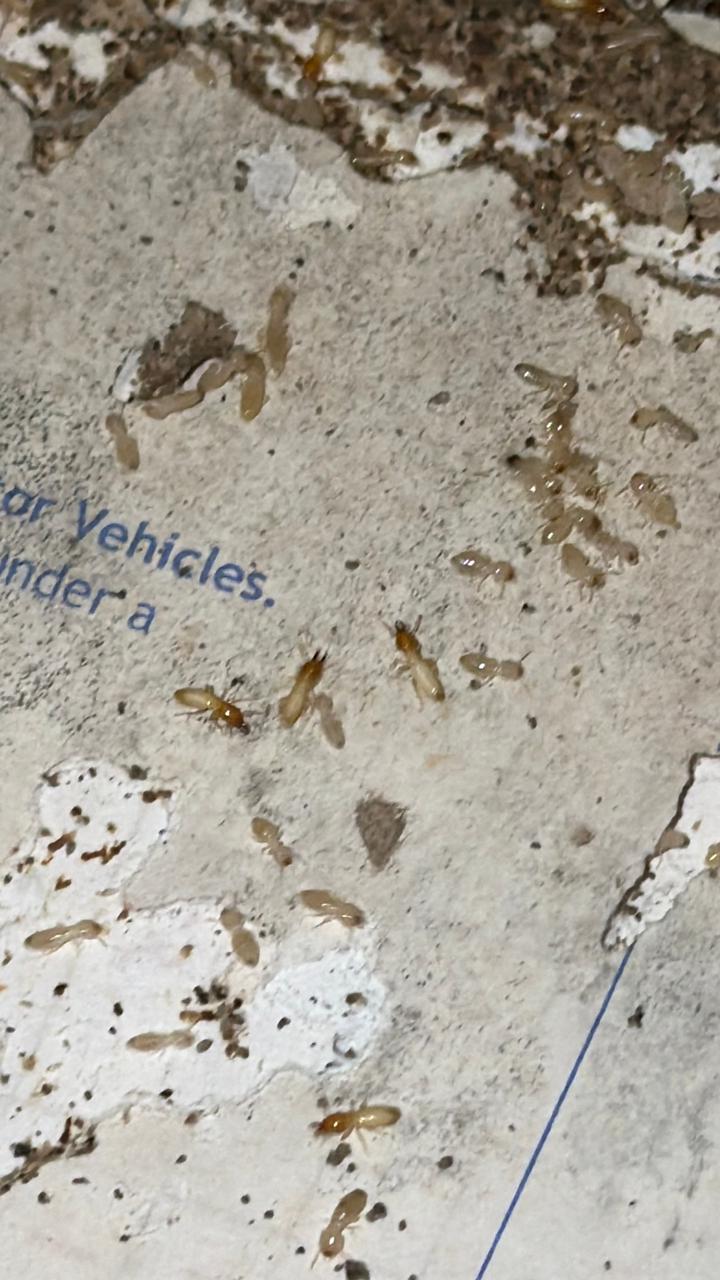
Termite Treatment : For Homes and Businesses
Learn about termite treatment, common warning signs, inspections, prevention methods, and practical termite management strategies.
Learn about termite treatment, common warning signs, inspections, prevention methods, and practical termite management strategies.
Termites are among the most commonly encountered structural pests in Sri Lanka. Because they often remain hidden within walls, floors, ceilings, and wooden structures, termite activity may go unnoticed for long periods. This makes regular inspections and preventative measures an important part of property maintenance for both residential and commercial buildings.
Whether you own a family home, apartment, office, warehouse, hotel, school, or retail facility, understanding how termites behave and what conditions attract them can help you make informed decisions about protecting your property.
Understanding TermitesTermites are social insects that live in organised colonies. Depending on the species and environmental conditions, colonies can range from a few thousand individuals to hundreds of thousands.
Their primary food source is cellulose, a natural component found in materials such as wood, paper, cardboard, and plant matter. Because cellulose is widely available in many buildings and surrounding environments, termites can establish themselves in a variety of locations.
Unlike pests that are easily visible, termites often remain hidden while feeding. This behaviour can make early detection more challenging, particularly when infestations develop within structural components that are not regularly inspected.
Why Termites Are Common in Sri LankaSri Lanka's tropical climate creates favourable conditions for termite activity throughout much of the year.
Warm temperatures support termite development and movement, while humidity provides the moisture that many termite species require for survival. Seasonal rainfall can further contribute to conditions that encourage termite activity around buildings.
Many properties also contain wooden elements such as doors, window frames, furniture, roof structures, cupboards, decorative features, and storage materials. These items may provide potential food sources if suitable conditions are present.
Because of these environmental factors, termite prevention and inspection are relevant considerations for many property owners across Sri Lanka.
Types of Properties That May Experience Termite ActivityTermites can affect a wide range of property types.
Residential homes may contain timber structures, furniture, cupboards, and wooden fittings that require monitoring. Apartment buildings may also experience termite activity despite being primarily constructed from concrete, particularly where wooden fixtures and furnishings are present.
Commercial offices often contain wooden furniture, filing systems, and storage areas that can be affected by termite activity. Warehouses may store cardboard, timber products, or other cellulose-based materials that attract termites.
Hotels, schools, retail stores, and manufacturing facilities can also benefit from regular inspections as part of a broader property maintenance programme.
Signs That May Indicate Termite ActivityRecognising possible warning signs can help property owners identify concerns before more extensive damage develops.
One commonly observed sign is the presence of mud tubes along walls, foundations, or structural surfaces. Certain termite species create these tubes to travel between their colony and food sources while remaining protected from the environment.
Wood that sounds hollow when tapped may also indicate internal termite activity. In some cases, timber may appear normal on the surface while extensive feeding has occurred inside.
Discarded wings near windows, doors, or light sources can sometimes indicate the presence of reproductive termites that have recently swarmed.
Other possible signs include damaged wooden furniture, cracks in painted surfaces, bubbling finishes, and doors or windows that become difficult to open or close.
Although these signs may suggest termite activity, a professional inspection is usually required to confirm the cause and assess the extent of the issue.
The Importance of Regular Termite InspectionsBecause termites often remain hidden during the early stages of activity, inspections play an important role in identifying potential concerns.
A termite inspection typically involves assessing accessible areas of a property for signs of activity, structural vulnerabilities, moisture issues, and environmental conditions that may attract termites.
Regular inspections can help property owners:
Identify early signs of termite activity Detect conditions that may increase risk Monitor vulnerable areas Support preventative maintenance planning Evaluate previously treated locationsInspections are particularly valuable for properties containing significant wooden structures or those located in areas where termite activity has previously been reported.
Conditions That May Increase Termite RiskSeveral environmental and structural factors may increase the likelihood of termite activity around a building.
Excess moisture is one of the most common contributing factors. Water leaks, poor drainage, condensation, and standing water can create favourable conditions for termites.
Wood-to-soil contact may also increase risk by providing termites with direct access to wooden materials.
Poor ventilation in enclosed spaces can contribute to damp conditions that support termite survival.
The storage of timber, cardboard, paper products, and other cellulose-based materials near buildings may also create attractive conditions for termites.
Identifying and addressing these factors can form part of a preventative termite management strategy.
Common Approaches to Termite ManagementProfessional termite management generally begins with a detailed inspection.
Based on inspection findings, recommendations may vary depending on the property's construction, environmental conditions, and observed activity levels.
Monitoring is often used to assess termite activity over time and identify changes that may require attention.
Preventative measures may focus on reducing moisture levels, improving ventilation, and modifying environmental conditions that support termite survival.
In some situations, soil treatments may be considered as part of a broader termite management programme. These treatments are designed to help reduce termite activity around structures.
Where termite activity is confirmed, targeted treatment methods may be recommended based on the specific circumstances of the property.
Ongoing inspections may also be advised to support long-term monitoring and preventative maintenance.
Practical Termite Prevention TipsProperty owners can take several practical steps to help reduce conditions that attract termites.
Repairing leaking pipes and plumbing fixtures can help minimise excess moisture around buildings.
Improving drainage systems may reduce water accumulation near foundations and structural components.
Wood debris, unused timber, and cardboard materials should be removed or stored appropriately to reduce potential food sources.
Where possible, timber should be kept away from direct soil contact.
Maintaining adequate ventilation in enclosed spaces can also help reduce moisture levels.
Routine inspections remain one of the most effective ways to identify potential concerns before they develop into larger issues.
Termite Management for BusinessesBusinesses often have additional considerations when managing termite risks.
Office buildings may contain furniture, archives, and storage systems that require protection. Warehouses may store products and materials that are vulnerable to termite damage.
Hotels, educational institutions, retail facilities, and manufacturing sites may also benefit from structured inspection and monitoring programmes.
Regular inspections can help businesses identify risks early and support property maintenance objectives.
Choosing a Professional Termite ServiceWhen selecting a termite management provider, property owners may wish to consider factors such as inspection procedures, reporting practices, communication, follow-up recommendations, and experience with similar property types.
A professional assessment can help determine the most appropriate management approach for a particular building and its specific conditions.
ConclusionTermites are a common concern for many homes, offices, and commercial buildings throughout Sri Lanka. Because they often remain hidden during the early stages of activity, routine inspections and preventative measures can play an important role in property maintenance.
Understanding termite behaviour, recognising potential warning signs, and addressing conditions that may attract termites can help property owners take a proactive approach to termite management. Through regular monitoring, preventative maintenance, and professional guidance where required, properties can be better protected against termite-related concerns over the long term.
Contact us for a free consultation and site inspection.