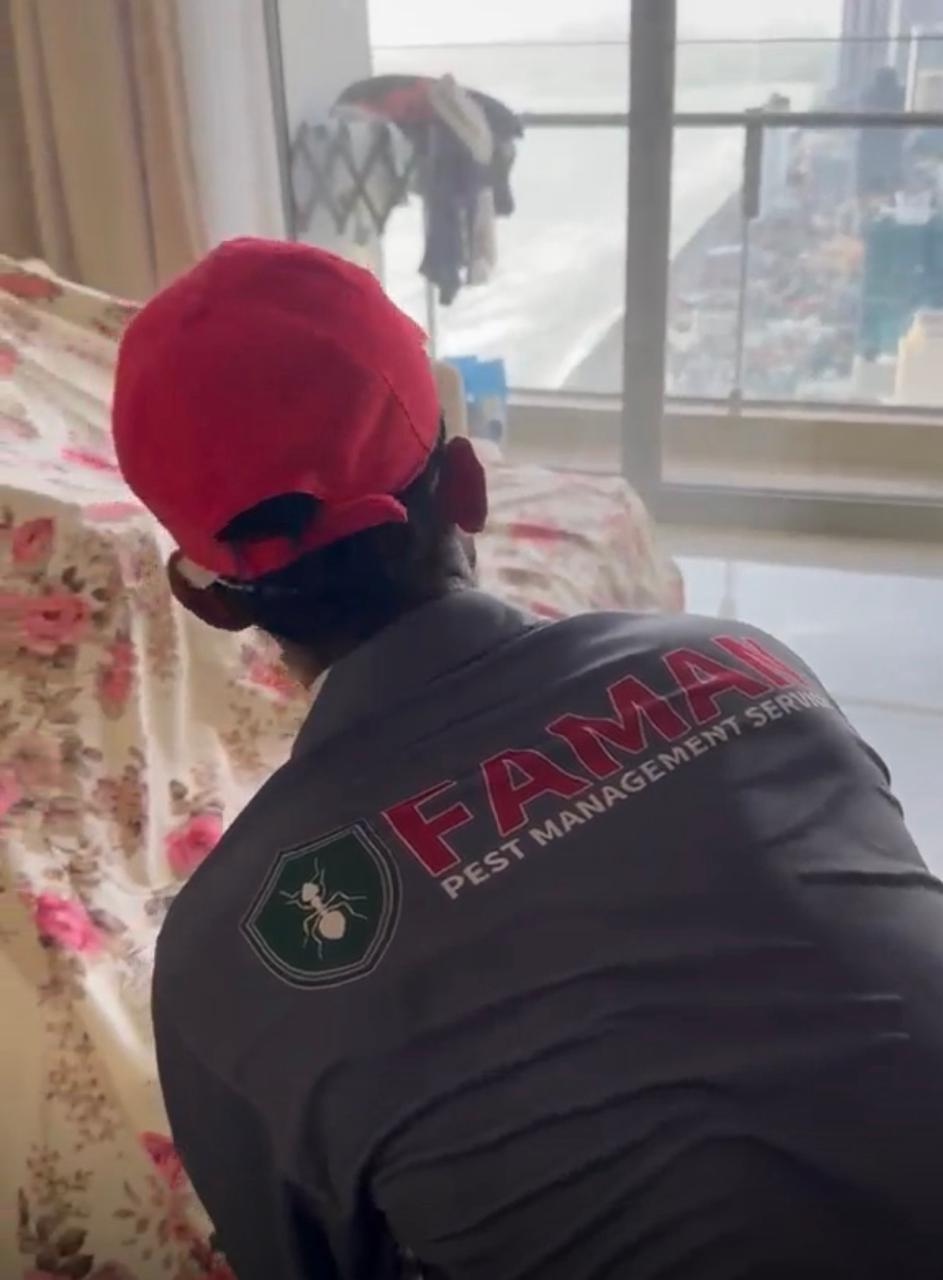
ULV Fogging for Mosquito Control in Sri Lanka
ULV (Ultra‑Low Volume) fogging is a cold‑aerosol method for controlling adult mosquitoes and flying insects.
ULV (Ultra‑Low Volume) fogging is a cold‑aerosol method for controlling adult mosquitoes and flying insects.
Mosquitoes are more than a nuisance in Sri Lanka. They carry dengue, chikungunya, and other viral diseases that affect thousands of people every year. Among the many tools used to reduce adult mosquito populations, ULV fogging – also known as ultra‑low volume fogging – is one of the most widely adopted methods by both public health authorities and private pest control services.
But what exactly makes ULV fogging different from other fogging methods? How does it work, and when is it the right choice for your home or business? This article provides a clear, fact‑based overview of ULV fogging, its applications, and its limitations.
What Is ULV Fogging?
ULV fogging is a pest control technique that uses a specialised machine to disperse a very fine mist of insecticide into the air. The term "ultra‑low volume" refers to the small amount of liquid chemical used per unit area. Unlike traditional spraying, which can apply litres of solution, ULV fogging uses only millilitres per hectare. The key to its effectiveness lies not in the volume, but in the size of the droplets.
The droplets produced by a ULV machine are extremely small – typically between 5 and 20 microns in diameter. To put that in perspective, a human hair is about 70 microns thick. These tiny droplets remain suspended in the air for longer and drift into areas that larger droplets cannot reach. Because of their size, they make contact with flying insects more efficiently, delivering a lethal dose of insecticide with very little waste.
ULV fogging is often called "cold fogging" because it does not use heat to generate the mist. Instead, the insecticide is pushed through a high‑pressure nozzle or spun by a rotary atomiser, breaking the liquid into fine aerosol particles. This makes it distinct from thermal fogging, which uses heat to vaporise the chemical and produce a visible smoke.
How ULV Fogging WorksThe process of ULV fogging begins with a site assessment. A trained technician inspects the area to identify the main pest species, locate potential breeding sites, and note environmental factors like wind direction, temperature, and humidity. These factors influence how the mist will spread and how long it will remain effective.
Once the assessment is complete, the technician selects the appropriate insecticide formulation. For mosquito control, synthetic pyrethroids such as deltamethrin, permethrin, or cyfluthrin are commonly used. These chemicals are fast‑acting on adult mosquitoes and have low toxicity to mammals when applied at recommended rates.
The ULV machine is then calibrated to deliver the correct droplet size and flow rate. Calibration is critical – if the droplets are too large, they fall to the ground quickly and do not reach flying insects. If they are too small, they may drift away before coming into contact with pests. Proper calibration ensures that the mist stays in the target area long enough to be effective.
The operator moves through the treatment zone at a steady pace, directing the mist outward. For outdoor spaces, the fog is released to cover the entire garden, yard, or open area. For indoor applications, all windows and doors are closed, and the fog is introduced into the room. After the fogging is completed, the space is left to allow the mist to settle and dissipate.
It is important to understand that ULV fogging is a knockdown treatment. It kills adult flying insects that are active at the time of application. It does not leave a residual barrier on surfaces, and it does not affect mosquito larvae or eggs. This is why ULV fogging is most effective when used as part of an integrated pest management (IPM) strategy that includes larval control and source reduction.
When ULV Fogging Is Most UsefulIn Sri Lanka, ULV fogging is commonly used in a variety of settings. Residential gardens and backyards benefit from ULV fogging to reduce mosquito numbers, especially during the evening hours when mosquitoes are most active. Schools and daycare centres schedule fogging during dengue season to lower the risk of outbreaks among children. Food processing plants and restaurants use ULV fogging to control flies and other flying insects without leaving chemical residues on surfaces.
Outdoor event venues also rely on ULV fogging. For weddings, parties, or corporate gatherings held in the evening, a treatment before the event can significantly reduce the number of biting insects, making the experience more pleasant for guests. Commercial warehouses and large storage facilities use ULV fogging because its fine mist can reach the upper areas and corners where pests tend to gather.
Municipal councils and health authorities in Sri Lanka frequently deploy ULV fogging during dengue outbreaks. They target high‑risk neighbourhoods, often conducting fogging in the early morning or late afternoon when Aedes mosquitoes are most active and when sunlight is less intense, which helps the insecticide remain effective for a longer period.
ULV Fogging vs. Thermal FoggingPeople often use "fogging" as a catch‑all term, but ULV fogging and thermal fogging serve different purposes. ULV fogging produces an almost invisible mist and is best suited for outdoor open spaces and daytime applications. It leaves minimal residue and is the preferred method for large‑scale mosquito control.
Thermal fogging, on the other hand, uses heat to create a thick, visible smoke. The smoke particles are smaller than ULV droplets, allowing them to penetrate cracks, crevices, and dense vegetation. Thermal fogging is more appropriate for enclosed spaces like basements, sewers, and warehouses, or for nighttime treatments when the smoke can linger in the target area. It also leaves a slightly heavier residue on surfaces.
The choice between the two depends on the environment, the pest, and the level of infestation. A competent pest control provider will assess the site and recommend the method that best suits the situation. For open‑air mosquito control, ULV is almost always the first choice.
Safety Considerations for ULV FoggingWhen performed correctly, ULV fogging is safe for humans, pets, and plants. The insecticide formulations used are registered with the Sri Lankan Pesticide Board and have been tested for both efficacy and safety. The concentrations applied are low, and the chemicals break down rapidly in sunlight and open air.
However, certain precautions are essential. All windows and doors must be closed during the treatment to prevent the mist from entering occupied spaces. Food, drinking water, and pet bowls should be covered or removed. Pets should be kept indoors or moved away from the treatment area. People with respiratory conditions should stay away until the fog has fully cleared.
The technician will advise on when it is safe to re‑enter the treated area. The exact waiting period depends on the product used, the dosage, and the weather conditions. In general, ULV fogging dissipates quickly outdoors, especially on warm, sunny days, while indoor treatments may require a short ventilation period.
It is also crucial to remember that fogging is not a substitute for removing breeding sites. Standing water in flower pots, gutters, old tyres, and blocked drains will continue to produce new mosquitoes. The most effective approach combines fogging with regular drain cleaning, larvicide applications, and public awareness about source reduction.
ULV Fogging as Part of an Integrated Pest Management PlanULV fogging is a valuable tool, but it is not a standalone solution. For long‑term control, it should be integrated with other measures. For residential properties, this might include quarterly fogging, monthly drain inspections, and the use of mosquito nets or screens on windows. For commercial operations, it might involve a combination of fogging, residual spraying, bait stations, and staff training on sanitation.
A well‑designed pest management plan reduces the need for frequent fogging and keeps pest populations under control throughout the year. The frequency of fogging depends on the pest pressure, the season, and the specific environment. A professional assessment will provide a clear recommendation tailored to your property.
Where Famans Provides ULV FoggingFamans offers ULV fogging services across Sri Lanka, covering Colombo, Kandy, Galle, Negombo, Kurunegala, Matara, and many surrounding areas. For properties in remote locations, we can arrange custom visits based on the size of the job and travel distance.
Our clients include homeowners, restaurants, hotels, factories, warehouses, schools, and healthcare facilities. Every job is carried out by a trained technician who understands local pest behaviour and the specific needs of each property type.
Getting Started with ULV FoggingIf mosquitoes or other flying pests are affecting your home or business, ULV fogging is a practical and effective first step. Scheduling a treatment before the monsoon season or after a heavy rainfall can help prevent an outbreak from developing.
To book a ULV fogging service with Famans, you can call us, send a message through our website, or request a callback. We will ask a few questions about your property and pest situation, then provide a clear quote before any work begins. The technician will arrive at the agreed time, carry out the treatment, and follow up to ensure you are satisfied.
ULV fogging is a reliable, science‑based method for controlling adult flying pests in Sri Lanka. When used correctly and as part of a broader pest management strategy, it helps reduce disease risk and improve comfort in both residential and commercial settings.
Contact us for a free consultation and site inspection.